Skip to content
Detect Video AI
Restore access
Analyze a video

AI Media Technology

32 published guides

Guides filed under AI Media Technology

Digital Humans: How Virtual People Are Made and Used Today

Digital humans are computer-created representations of people, used as characters, presenters, doubles or interactive interfaces. Their appearance, voice and movement can come from different sources, including an artist, an actor, recorded performance and generated material. A convincing digital person does not by itself establish a real identity, a genuine statement or permission to represent somebody. […]

Temporal Aliasing: Why Camera Motion Can Look Backward

Temporal aliasing happens when a changing scene is sampled in time so that different real motions can produce the same recorded sequence. A wheel may appear to stop or turn backward even while it keeps rotating forward. The camera supplies separated observations; the viewer sees a plausible motion connecting them, but that apparent connection may […]

What Is AI Upscaling? How It Adds Detail to Photos and Video

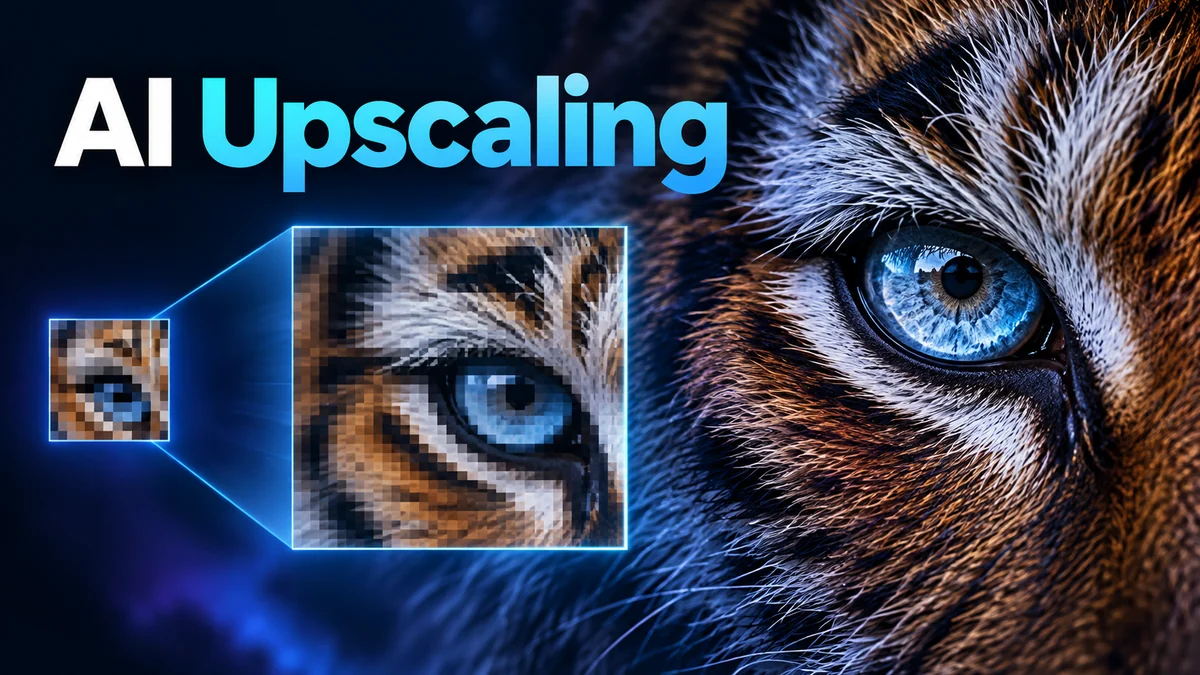
What is AI upscaling? It is the use of a trained model to estimate a higher-resolution version of an image or video from a lower-resolution input. The output contains more pixels, but those added values are not new camera observations. Upscaling can make media more suitable for a larger display or an editing task while […]

Panoptic Segmentation: How Pixels Become Scene Regions

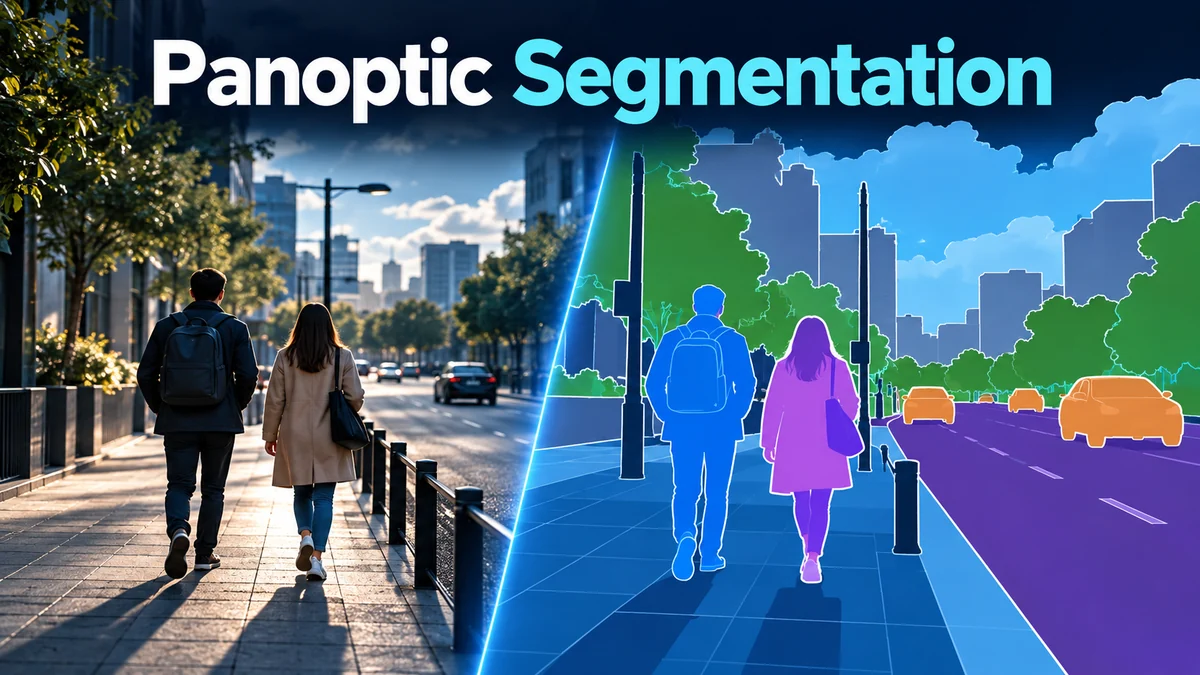
Panoptic segmentation turns an image into a scene map: which kind of region each pixel belongs to, and which separate object instance it represents. It combines semantic labeling with instance separation. A colored person region can describe where a system thinks a person is; it cannot tell you who that person is, whether a recording […]

Tone Mapping: Why HDR Video Can Look Wrong on a Screen

Tone mapping adapts the brightness relationships in an image to the range a destination can represent. In video, it commonly helps present high-dynamic-range material on a standard-dynamic-range output. It can compress bright highlights while retaining a useful relationship between the window, the face beside it and the shadowed room. When that relationship is handled poorly—or […]

Neural Rendering: How AI Reconstructs Views and Scenes

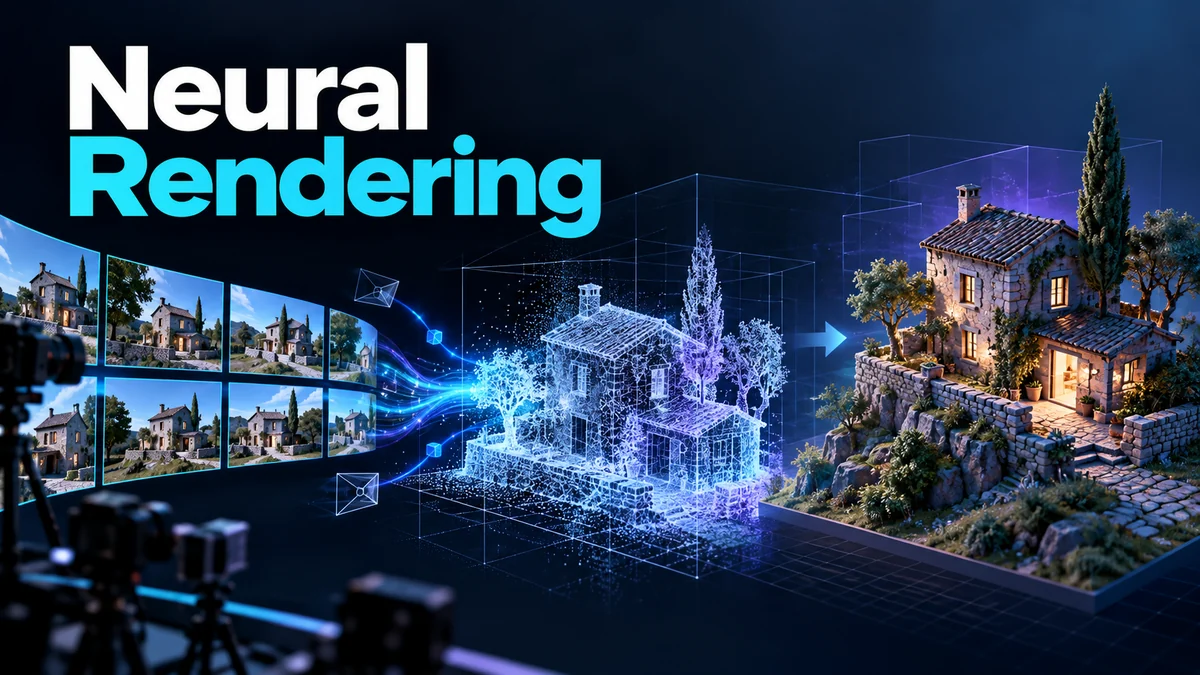
Neural rendering uses learned components within an image-generation or graphics workflow to produce a view of a scene. In scene-reconstruction applications, captured images help fit a representation that can then be rendered from a different viewpoint. That new view may look photographic without being a recording made by a physical camera at that position. Treat […]

Why Do LED Lights Flicker on Camera? Causes and Fixes

Why do LED lights flicker on camera when the room looks steady to your eyes? A camera records limited exposure windows, while some lights vary their output rapidly. Different windows can capture different amounts of light. With sequential sensor readout, different rows can also sample different parts of the light cycle, producing bands. The practical […]

How to Send Videos Without Losing Quality: Simple Steps

How to send videos without losing quality: share the actual source file through a file-transfer route, have the recipient download it rather than save a streaming preview, and compare the received copy with the source. Dimensions and file size are useful first checks. A matching SHA-256 checksum provides much stronger practical evidence that the bytes […]

Moire Pattern: Why Real Photos and Videos Show Ripples

A moire pattern is a larger, often wavy pattern produced when fine repeating detail interacts with another repeating structure or a sampling grid. In photographs and video, a perfectly ordinary shirt, roof or screen can acquire ripples that were not visible to the person looking at the scene. The pattern is real in the delivered […]