
AI Media Technology
32 published guides
Guides filed under AI Media Technology

Chroma Subsampling: Why Video Loses Some Color Detail
Chroma subsampling reduces the spatial detail stored in a video’s color channels while retaining a separate luma channel. It helps explain why a real recording can have sharp-looking brightness edges but softer colored edges. Compare the sampling pattern, the conversion history and the original clip before treating that difference as evidence of manipulation. This guide […]

Why Is My YouTube Video Blurry? Check These Common Causes
Why is my YouTube video blurry? Start by separating the file you uploaded from the stream you are watching. A new upload may initially offer only lower-quality playback while higher-resolution processing continues. Viewing settings and connection conditions can also change the stream. Compare the source and export, check available player quality, and change one viewing […]
Video Transcoding: What Changes When You Convert a File
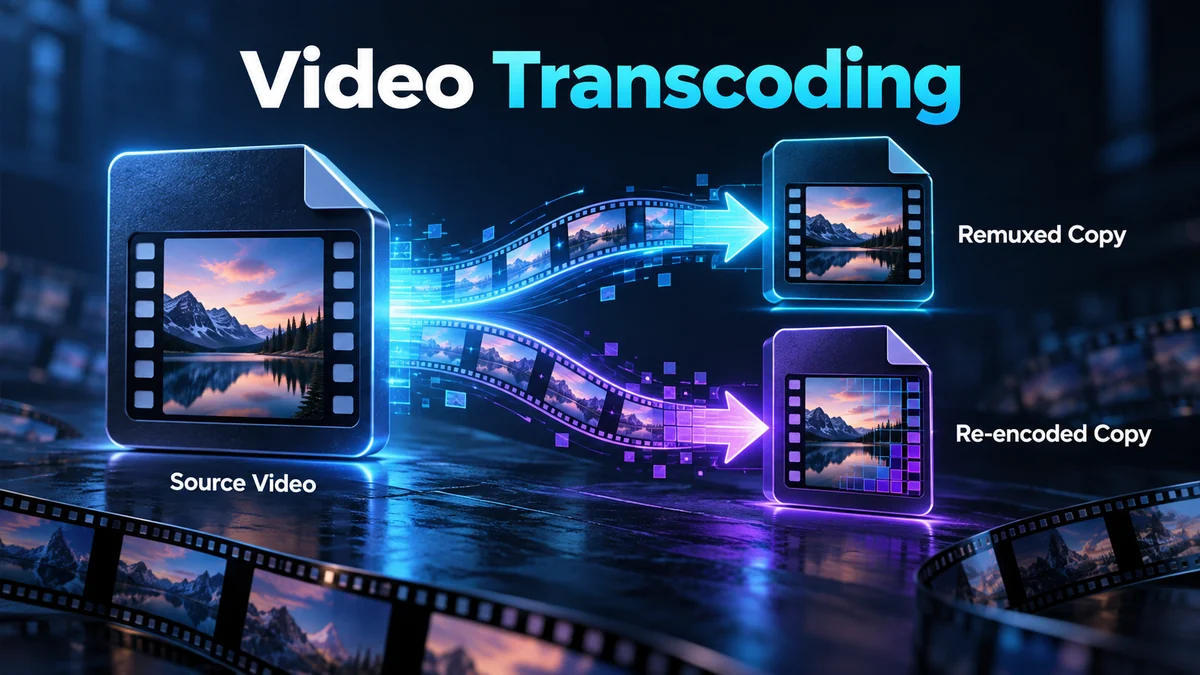
Video transcoding decodes an existing media stream and encodes it again, usually to meet a different playback, editing or delivery requirement. It differs from remuxing, which repackages compatible encoded streams without the same decode-and-encode step. Both can produce a different file, so preserve the source and inspect the actual output instead of judging conversion by […]

AI Denoising: Cleaner Images, Lost Detail and What to Check
AI denoising uses a learned model to estimate a cleaner image or video from a noisy input. The model must distinguish unwanted variation from meaningful detail, and that distinction can be uncertain. A smoother result can be easier to view without preserving every texture, small mark or temporal feature needed to interpret the source. This […]
Virtual Production: How Real Cameras Capture Digital Sets
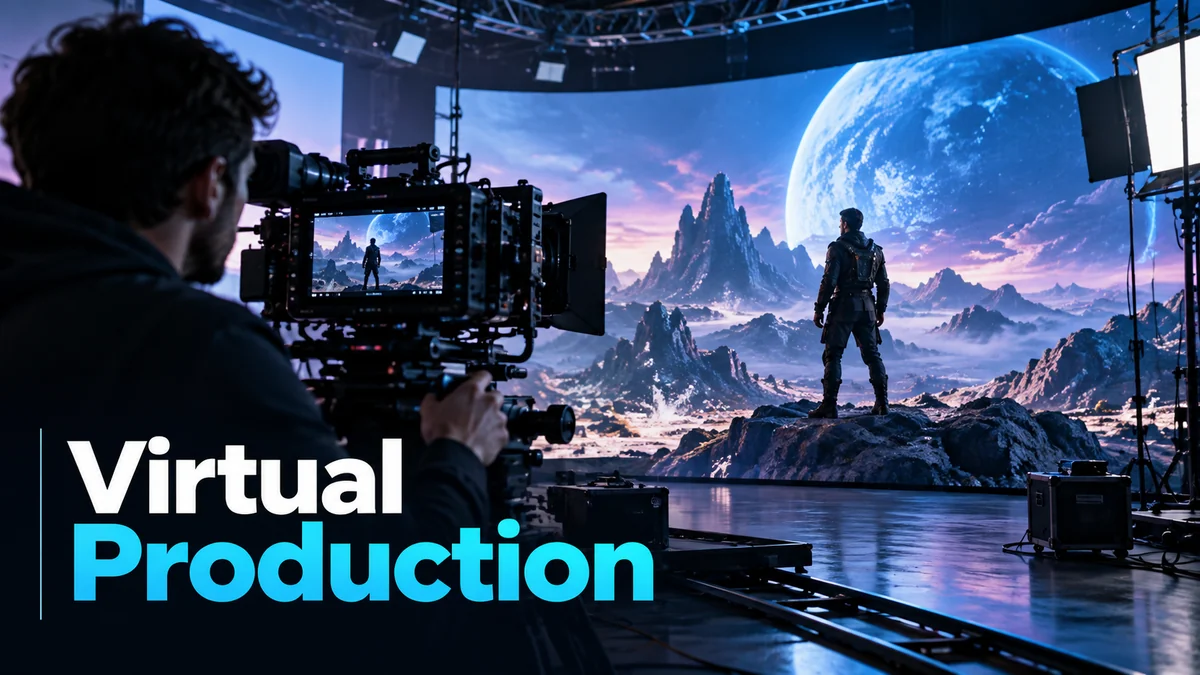
Virtual production combines digital scene-making with filmmaking workflows, often using real-time tools to plan, preview, or capture a shot. In an LED-volume shoot, a real camera records performers and physical objects in front of a displayed digital environment. The recording is physical, while the place represented behind the performer may be designed. “Virtual” therefore does […]

Demosaicing: How Camera Sensors Reconstruct Image Color
Demosaicing reconstructs a full-color image from the differently filtered light samples recorded by many digital camera sensors. In a common Bayer arrangement, each sensor location supplies one filtered measurement, not an independently measured red, green and blue triplet. Software estimates the missing channels using surrounding samples and a reconstruction method. That ordinary step explains why […]
Monocular Depth Estimation: What a Single Image Can Tell
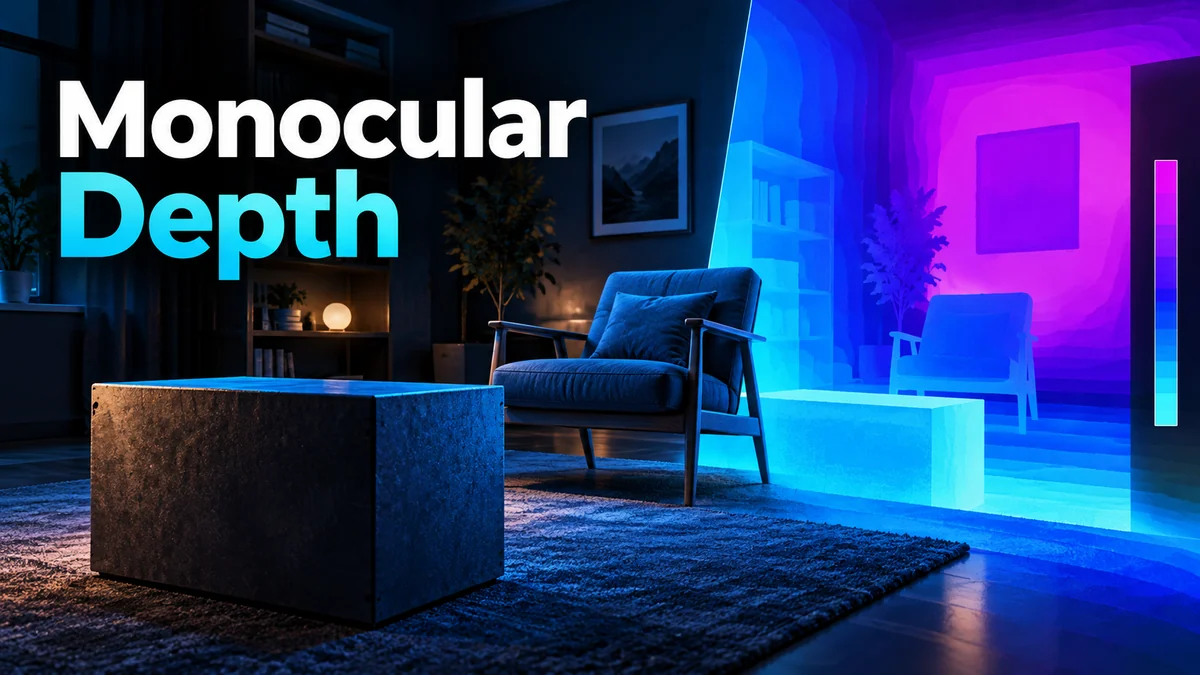
Monocular depth estimation predicts scene depth from a single image. Depending on the model and output, that can mean a relative ordering of nearer and farther areas or estimated distances in physical units. Neither a colorful map nor a detailed contour automatically establishes measured geometry. Read the output’s definition before deciding what it tells you. […]
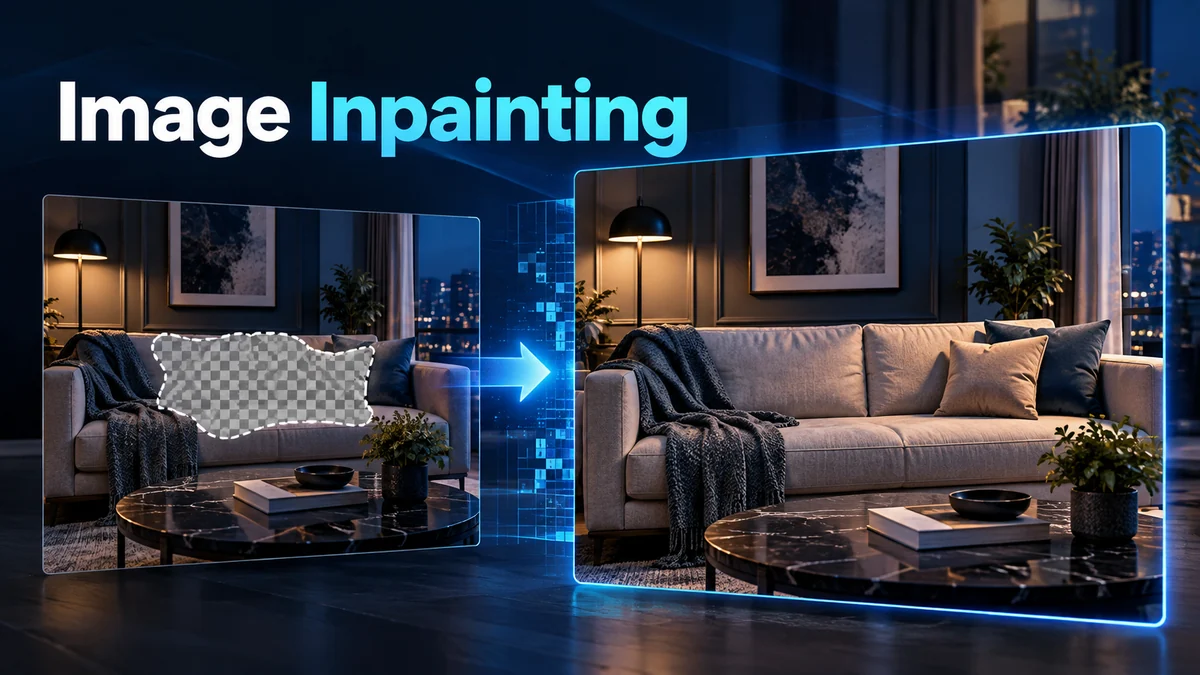
Image Inpainting: How Missing Areas Become New Visual Detail
Image inpainting fills a selected missing or unwanted region inside a picture using surrounding information and, in some methods, learned image patterns. A plausible fill is newly reconstructed visual content, not proof of what originally occupied that space. Keep the source, selected mask and resulting version separate when an edit could affect how viewers interpret […]