
Media Verification Guides
15 published guides
Guides filed under Media Verification Guides


Who Owns AI Generated Content? A Guide to Rights in the US
Who owns AI generated content? In the United States, first separate copyright protection, ownership of protectable human contributions, tool permissions, and rights in material used to create or publish the output. The U.S. Copyright Office says purely AI-generated material is not protected by copyright, while qualifying human expression can be. A tool’s permission to use […]
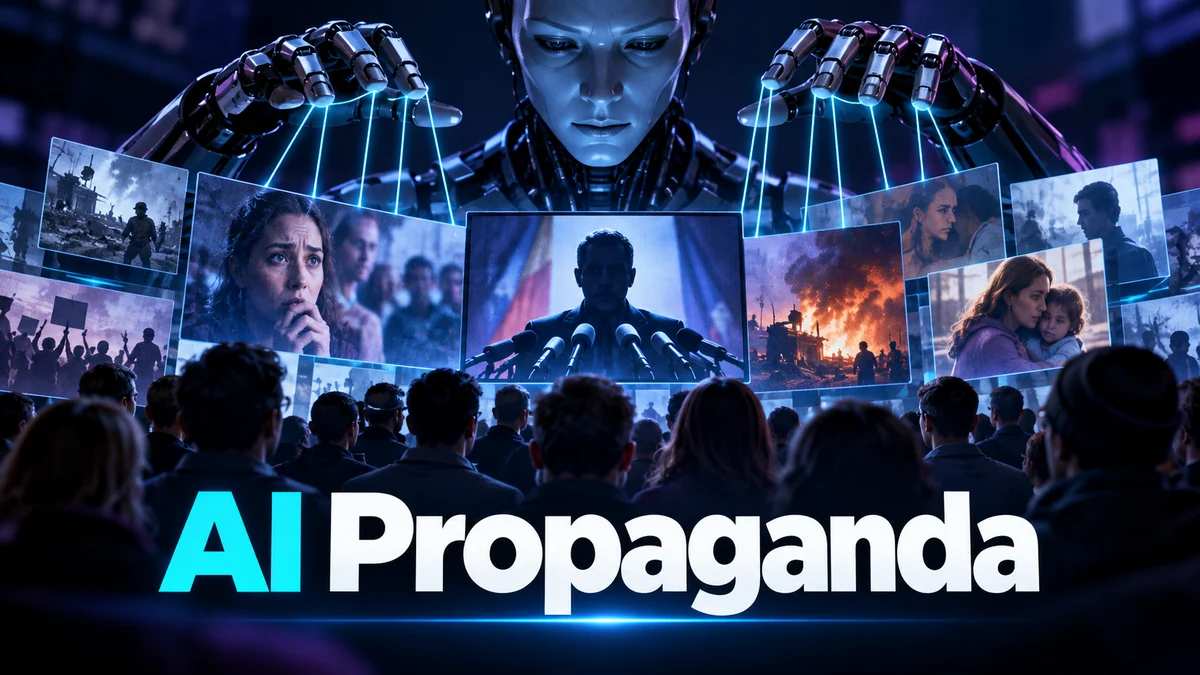
AI Propaganda: How Synthetic Media Shapes What We Believe
AI propaganda uses AI-generated or AI-assisted messaging to steer how people interpret an issue, an event or a group. The important problem is not merely that a picture, voice or paragraph was generated. It is the relationship between the message, the evidence it appears to offer, and the belief or action it asks the audience […]

How to Read a Spectrogram Without Misreading the Audio
To read a spectrogram, locate time on the horizontal axis, frequency on the vertical axis, and the scale that maps signal strength to brightness or color. Then describe how a feature changes across those dimensions. A horizontal line, a vertical burst and a rising curve answer different questions about the sound. A spectrogram is a […]

CEO Fraud: How to Verify Urgent Requests Before Paying
CEO fraud is an impersonation scam that uses a leader’s apparent authority to push someone into an unauthorized payment or other sensitive action. It can arrive by email, message, voice, or video; AI is not required. Before paying, independently confirm the exact request, apply the organization’s approval process, and verify any changed destination separately. A […]

Orbs on Security Cameras: Light, Dust and What to Check
Orbs on security cameras are often out-of-focus particles or reflections made conspicuous by night illumination. A tiny object close to the lens can appear as a large pale disc while the doorway behind it remains recognizable. Dust, droplets and insects are plausible explanations, but the shape of one bright spot does not identify its exact […]

AI Phishing: How Smarter Messages Make Scams Harder to Spot
AI phishing uses AI-assisted content to support a deceptive request for access, information, money, or another sensitive action. A message may sound fluent, personalized, and familiar without being authorized. Do not try to prove who wrote it before choosing safely. Pause the requested action, reach the person or organization through an independently trusted route, and […]

Fake LinkedIn Profiles: How to Check Identity and Claims
To check potentially fake LinkedIn profiles, separate three questions: who the account claims to represent, whether its professional claims have independent support, and whether its current request is authorized. A polished headshot, detailed career history or familiar company name cannot answer all three. A sparse profile is not automatically fake either. Verify the particular relationship […]

Change Blindness: Why Obvious Video Changes Go Unnoticed
Change blindness is the failure to notice a difference between successive views of a scene. A cup changes color, an object disappears or a person is replaced, yet the viewer experiences continuity. It is especially striking when a cut, blank interval or other interruption obscures the visual signal that would normally attract attention to the […]