Skip to content
Detect Video AI
Restore access
Analyze a video

AI Insights

AI generated videos are getting more realistic every month. Deepfakes, synthetic voices, and edited clips now spread faster than fact checking, especially on social platforms, messaging apps, and short video feeds. That is why verification matters.
In AI Insights, we publish practical and easy to follow guides that help you answer one question with confidence: Is this video real, edited, or AI generated?
Here you will find step by step checklists, visual signs to look for, and clear explanations of the most common manipulation techniques. We cover topics like facial artifacts, unnatural motion, audio deepfakes, lip sync issues, compression tricks, recycled footage, misleading captions, and the patterns used in scam ads and fake influencer campaigns.
This category is the main knowledge hub of DetectVideo.ai. If you work with online content, news, social media, marketing, or you simply want to protect yourself from misinformation, these articles will help you verify clips before you trust, share, report, or react. Our goal is to make video authenticity checks simple, repeatable, and fast, even when the clip looks convincing at first glance.
51 published guides

Guides filed under AI Insights

Video Frame Extractor: Extract Frames for Verification

A video frame extractor turns selected moments from a video into still images that you can inspect, save, compare, or reverse search. For verification, the goal is not to export as many frames as possible. It is to extract a small set of clear, distinctive frames that preserve useful visual evidence such as landmarks, signs, […]

AI Video Detection Methods: How Modern Detectors Work

AI video detection methods are changing because AI-generated video is changing. Early detectors could often rely on obvious facial artifacts, unstable textures, or generator-specific fingerprints. That approach is no longer enough. Modern synthetic video can preserve realistic faces, lighting, camera motion, and speech for long sequences, while fully generated scenes may contain no manipulated face […]

Deepfake Examples: Real-World Types and How to Spot Them

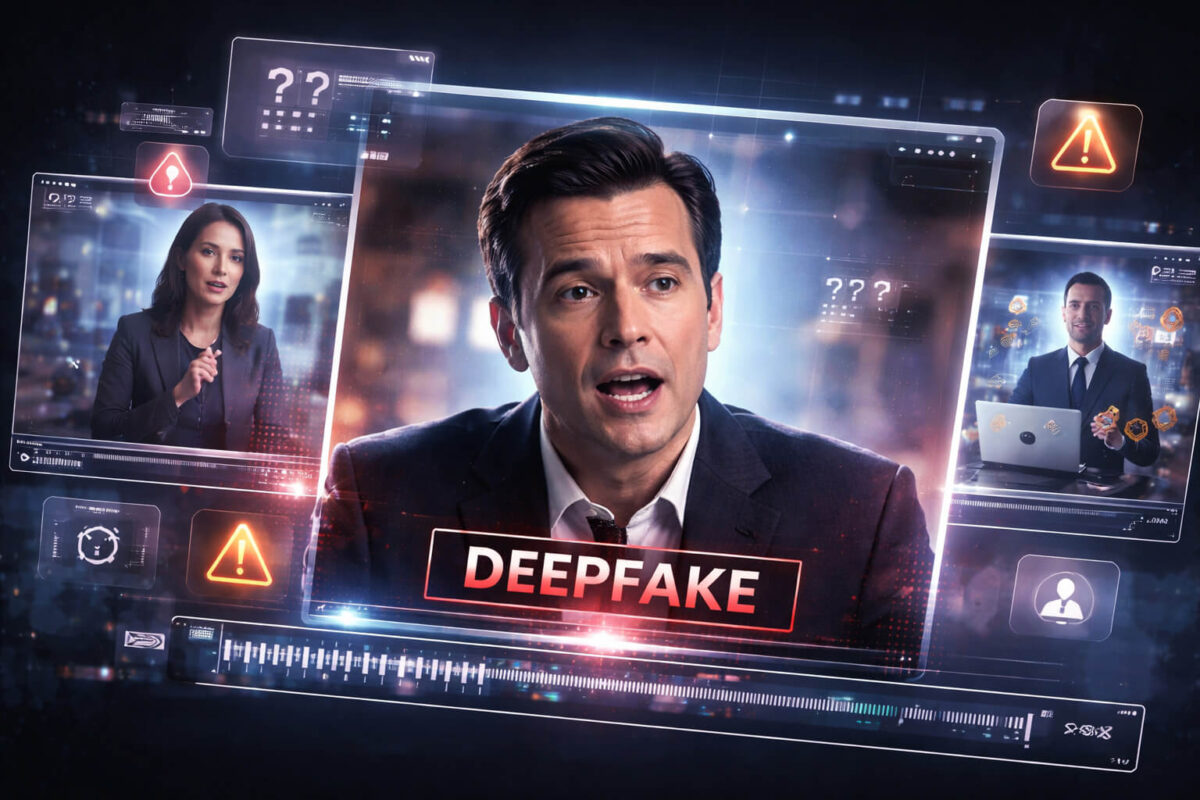
Deepfake examples are most useful when they teach you a pattern, not when they simply show you a shocking fake. The best examples reveal what was manipulated, why the result looked believable, and which evidence actually exposed the deception. Today, a deepfake may be a face swap, cloned voice, synthetic talking head, altered interview, fake […]

Liveness Detection for Deepfakes: Attacks and Defenses

Liveness detection is essential for remote identity verification, but it is not a complete deepfake defense. It is very good at answering one question: is a real, physically present person or biometric source being presented to the capture system? The harder 2026 question is what happens when an attacker bypasses that presentation entirely and injects […]

Pika AI Video: Pika 2.5, Length and Detection Guide

Pika AI Video now covers much more than turning a short prompt into a short clip. Pika 2.5 can generate video from text or an image, Pikaframes can animate between selected keyframes, and tools such as Pikaswaps and Pikadditions can modify real footage instead of generating an entire scene from scratch. That matters when you […]

Reverse Video Search: Find the Original Video Source or Full Clip

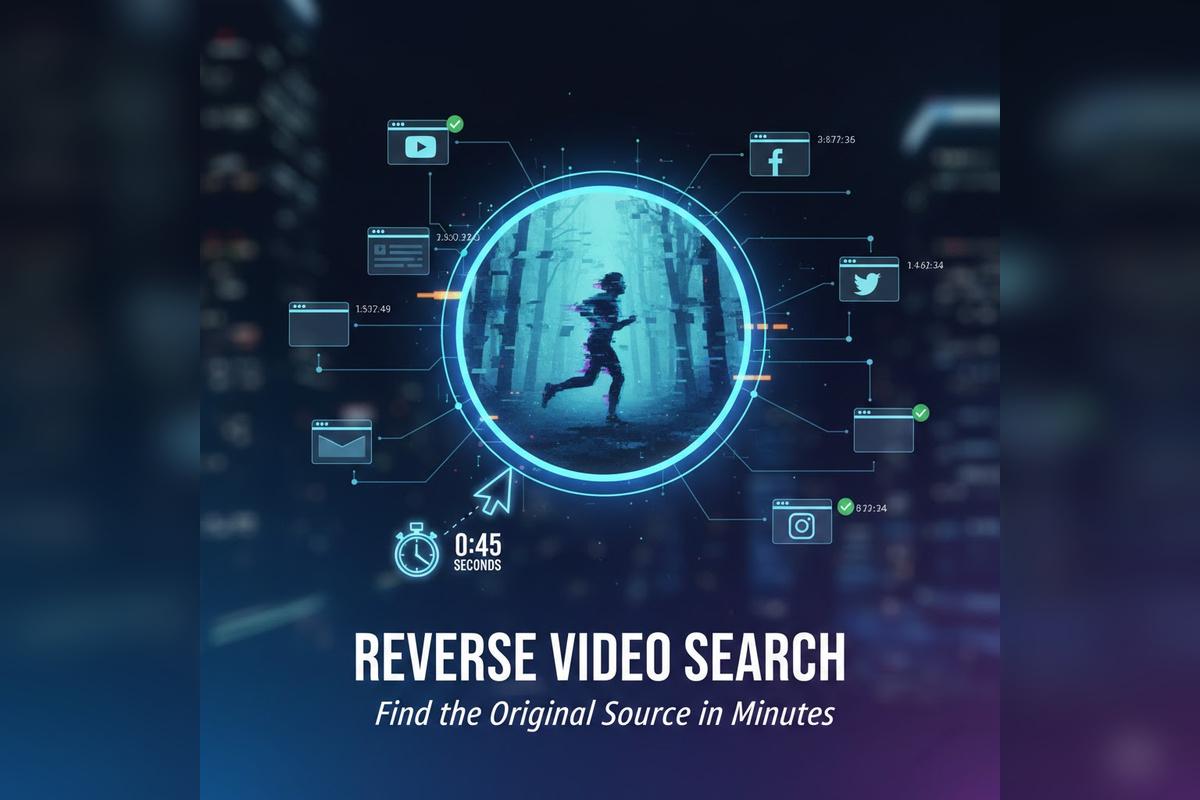
Reverse video search is the process of tracing a video back to its earliest available source, a longer version, or the original context in which it appeared. If you have a short clip, a repost, a social media link, or even one clear frame, you can often find the original video by combining keyframe search, […]

Celebrity Deepfake: How to Spot Fake Celebrity Videos and Scams

  A celebrity deepfake uses AI-generated or AI-manipulated media to make a public figure appear to say, endorse, reveal, or do something that did not happen as presented. The fake may alter a face, clone a voice, synchronize new speech to real footage, or generate most of the scene from scratch. But the most important […]

AI News Video: How to Spot and Verify Synthetic Clips

An AI news video can look credible before it is credible. A synthetic anchor can read a real headline. Real disaster footage can be mixed with generated scenes. A genuine interview can receive cloned audio. A completely fictional event can be packaged with a logo, ticker, location tag, and “breaking news” banner that makes it […]