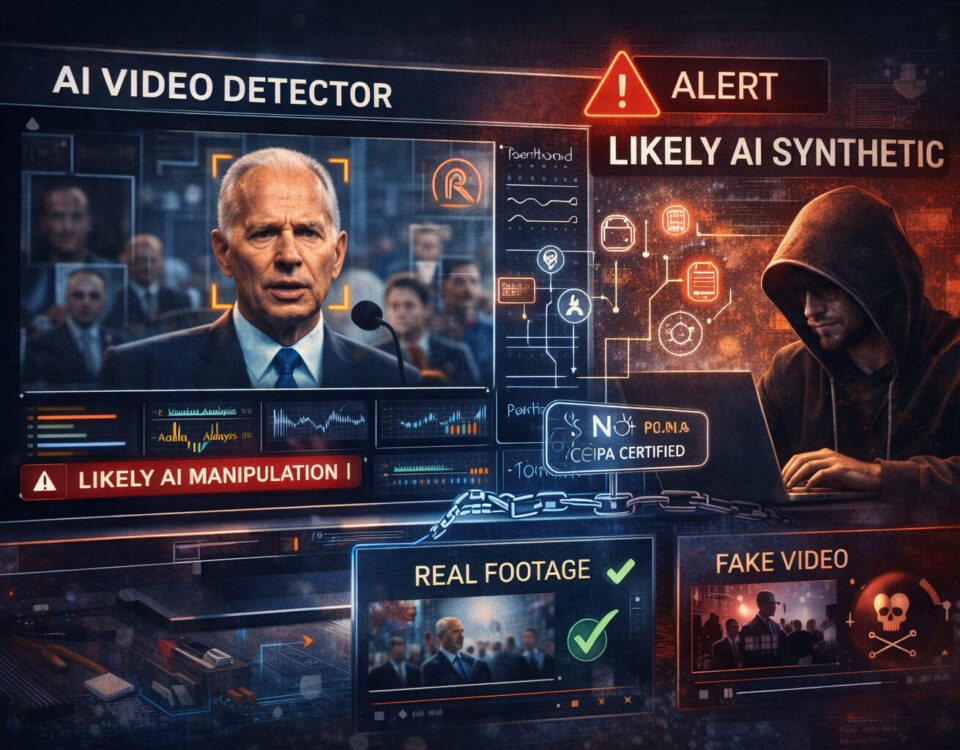
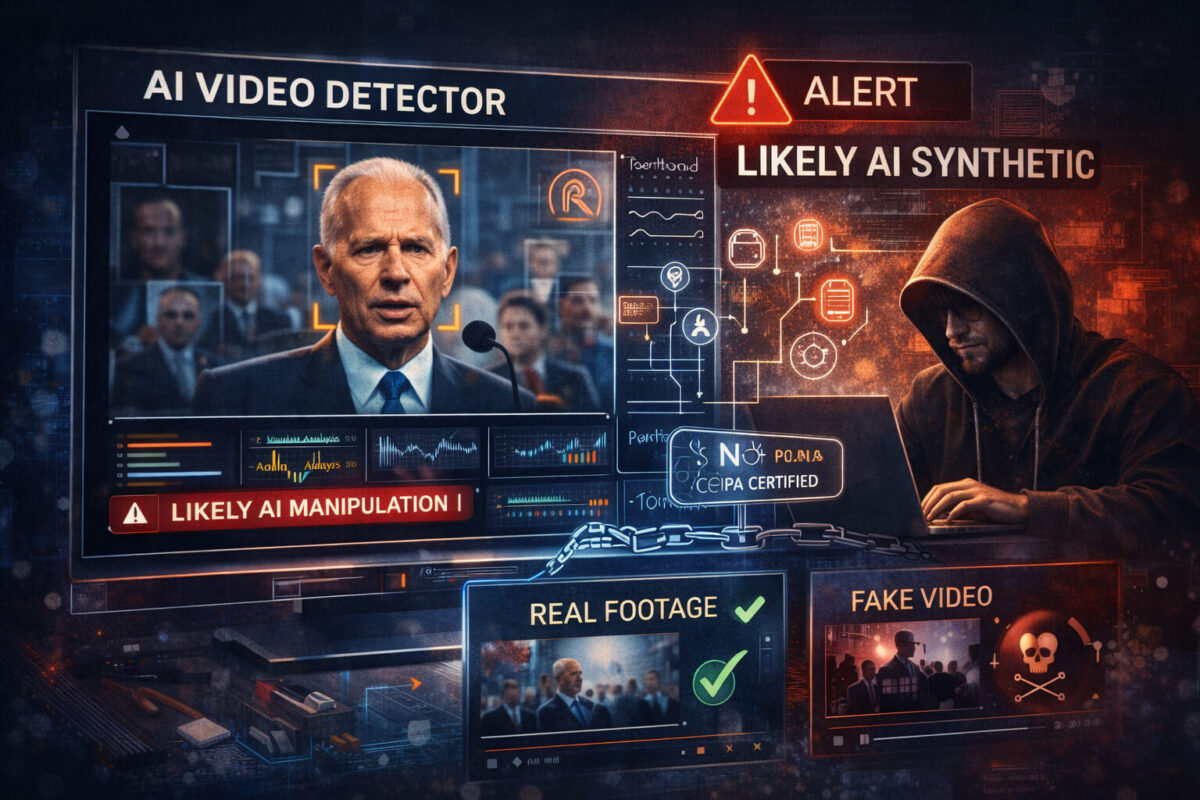
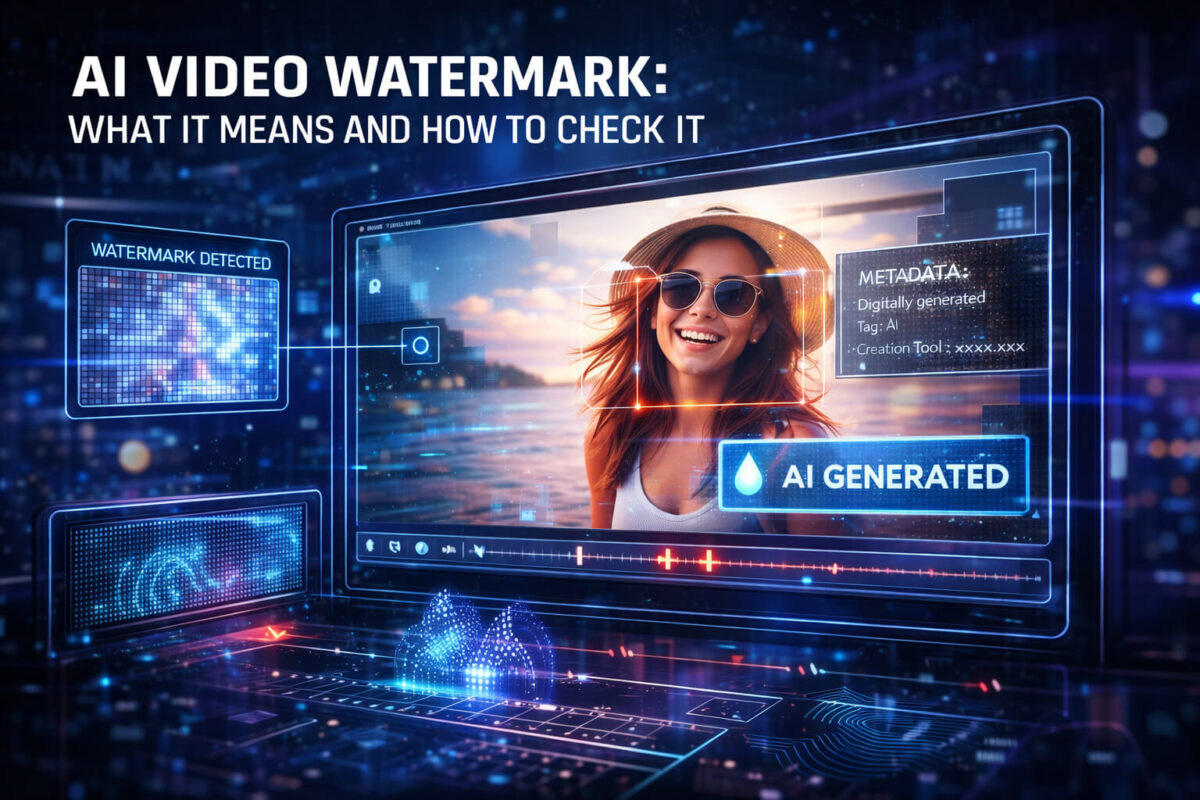
AI generated videos are getting more realistic every month. Deepfakes, synthetic voices, and edited clips now spread faster than fact checking, especially on social platforms, messaging apps, and short video feeds. That is why verification matters.
In AI Insights, we publish practical and easy to follow guides that help you answer one question with confidence: Is this video real, edited, or AI generated?
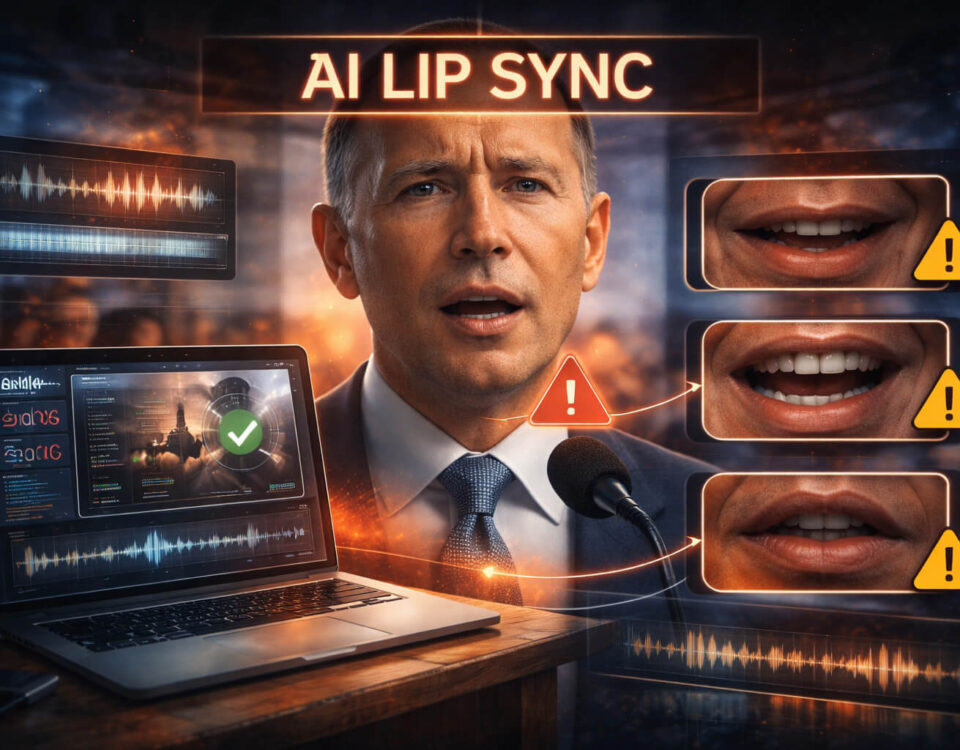
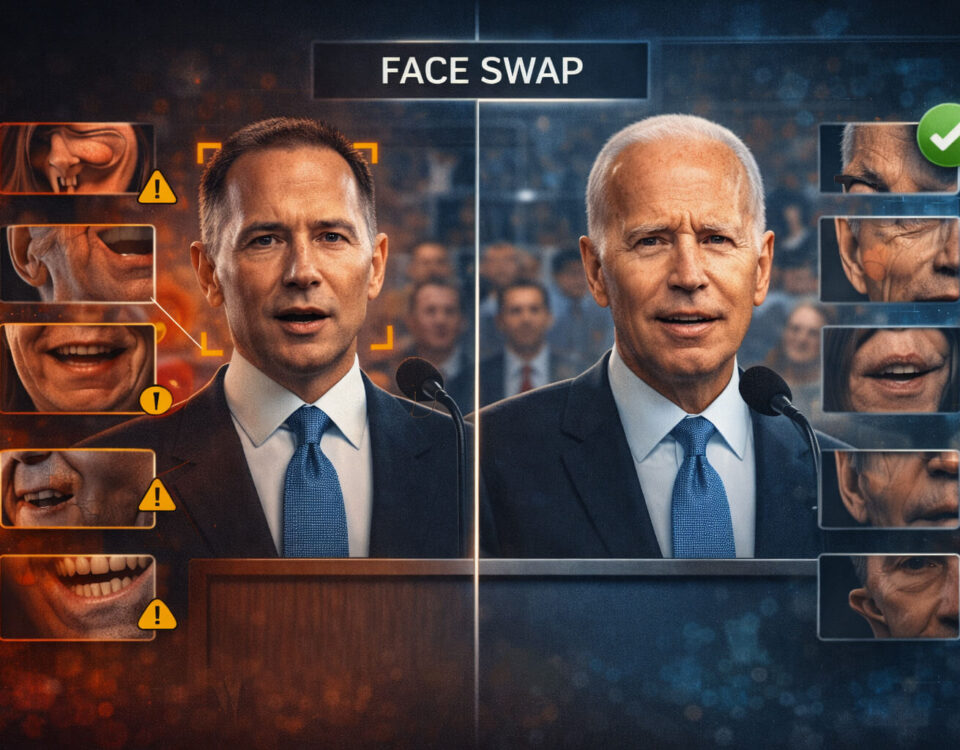
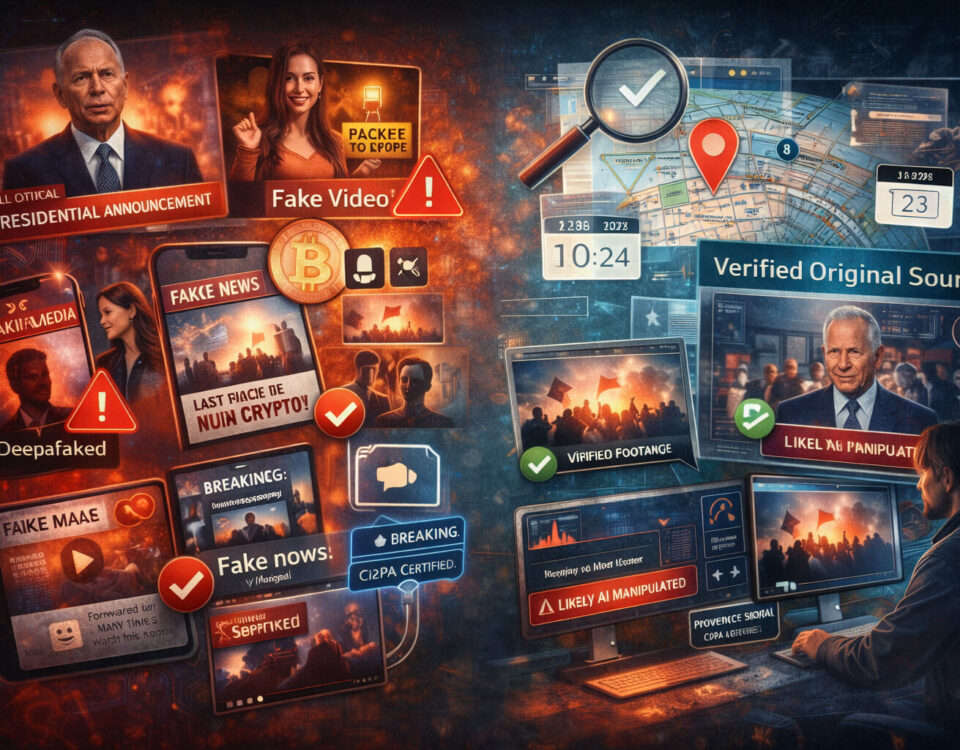
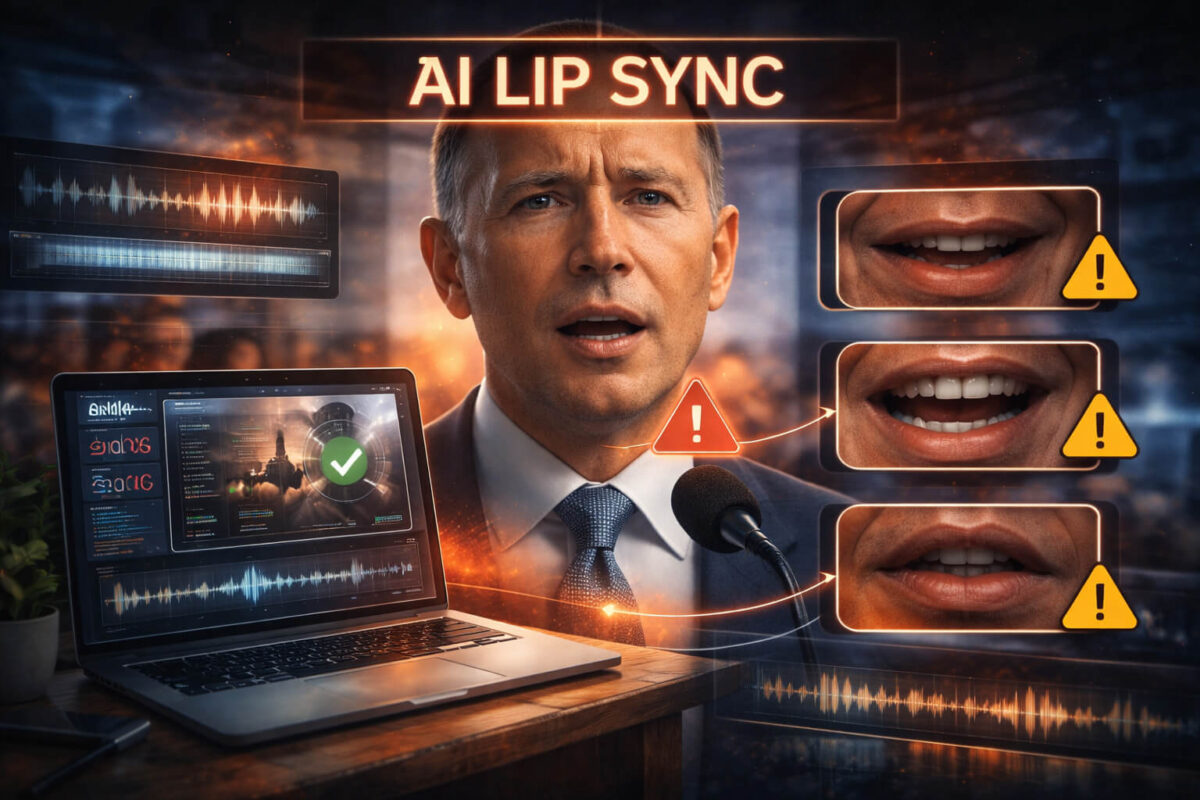
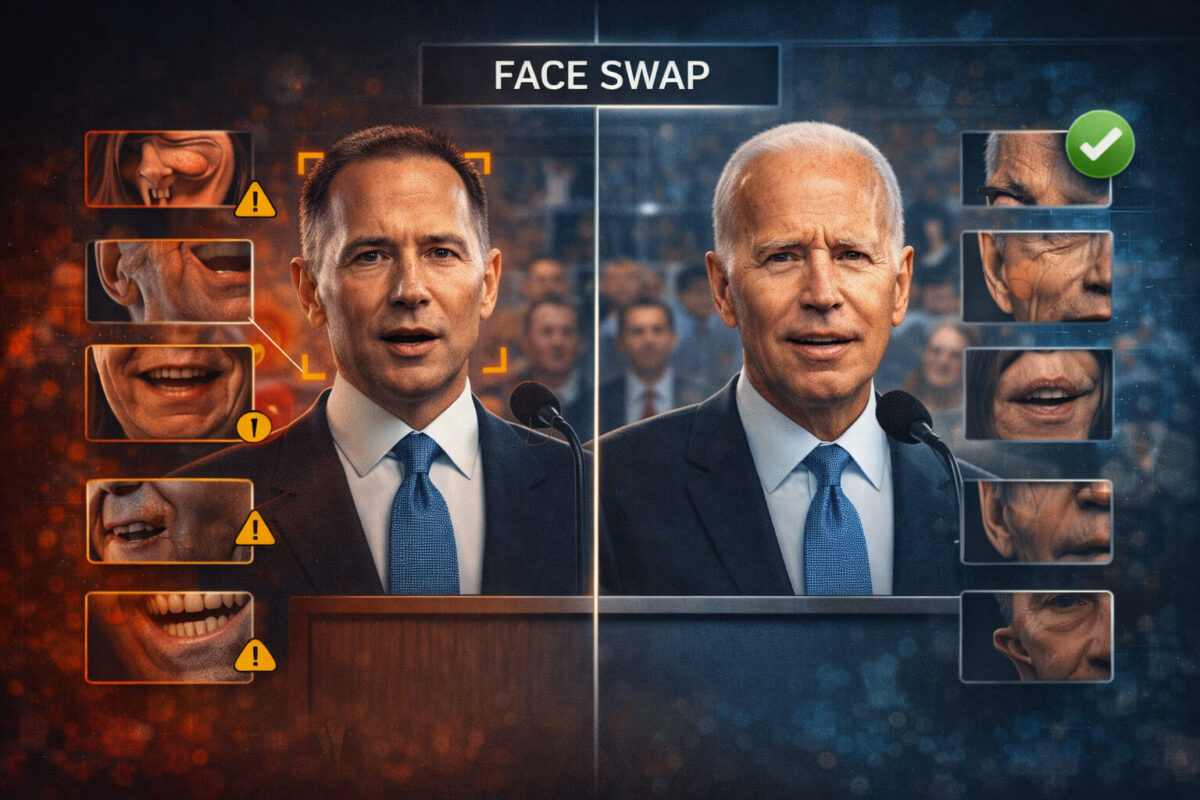
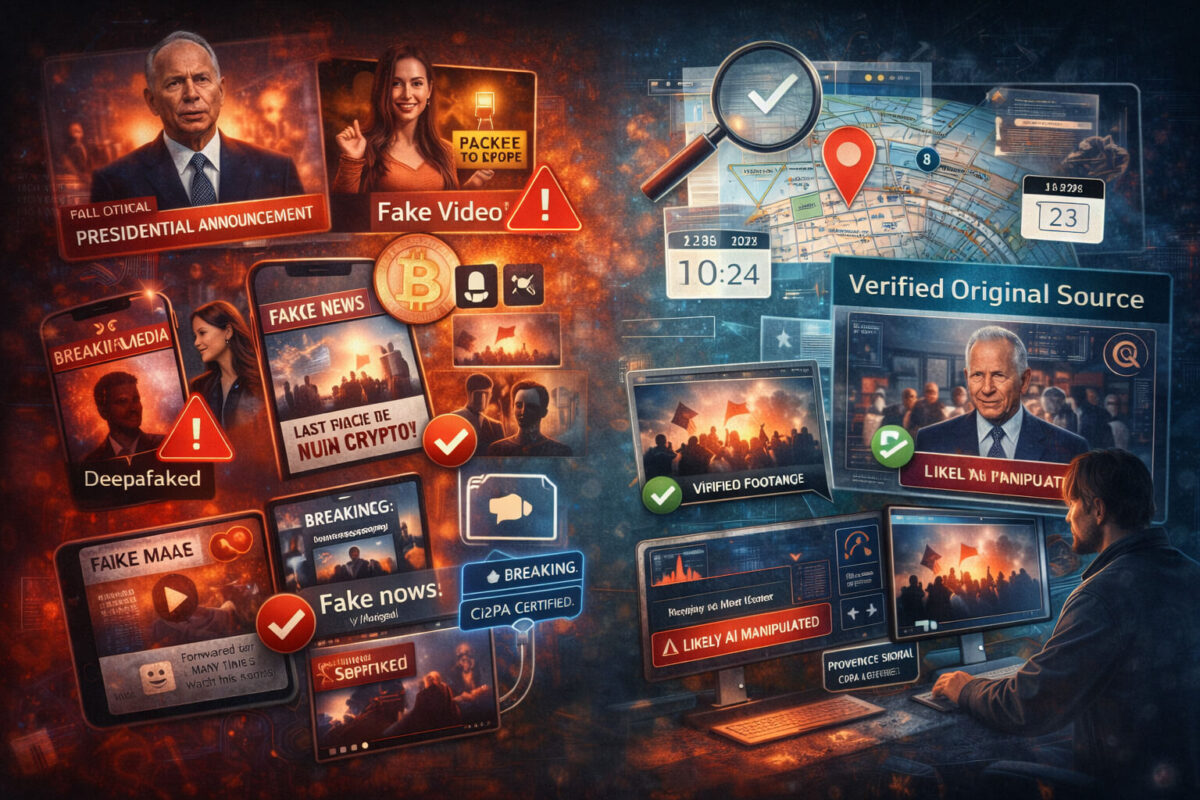
Here you will find step by step checklists, visual signs to look for, and clear explanations of the most common manipulation techniques. We cover topics like facial artifacts, unnatural motion, audio deepfakes, lip sync issues, compression tricks, recycled footage, misleading captions, and the patterns used in scam ads and fake influencer campaigns.
This category is the main knowledge hub of DetectVideo.ai. If you work with online content, news, social media, marketing, or you simply want to protect yourself from misinformation, these articles will help you verify clips before you trust, share, report, or react. Our goal is to make video authenticity checks simple, repeatable, and fast, even when the clip looks convincing at first glance.
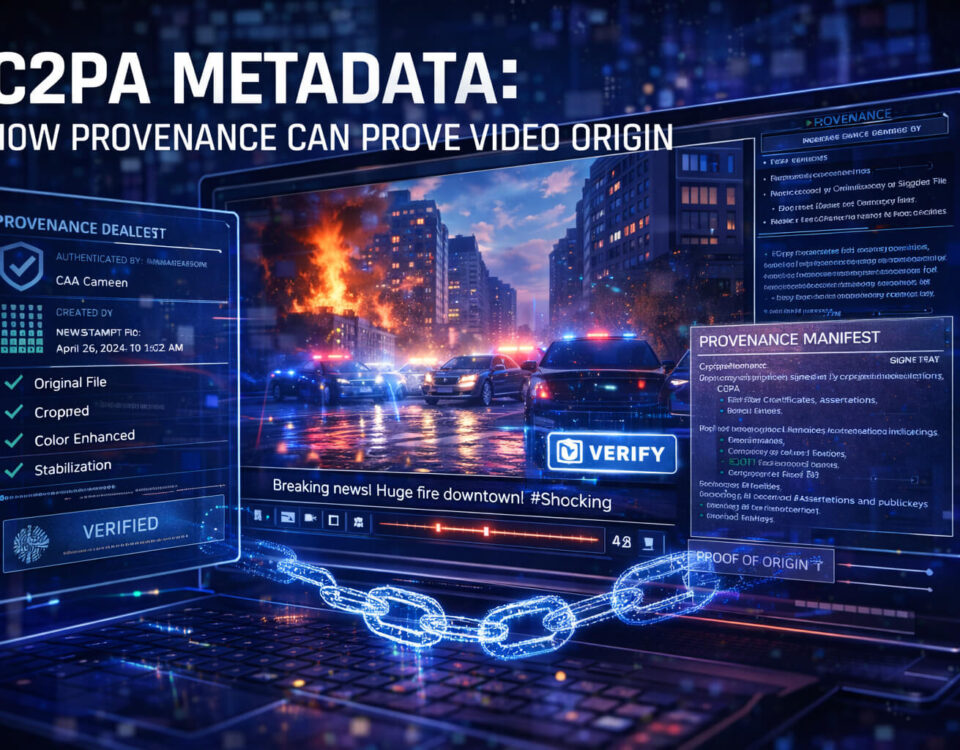
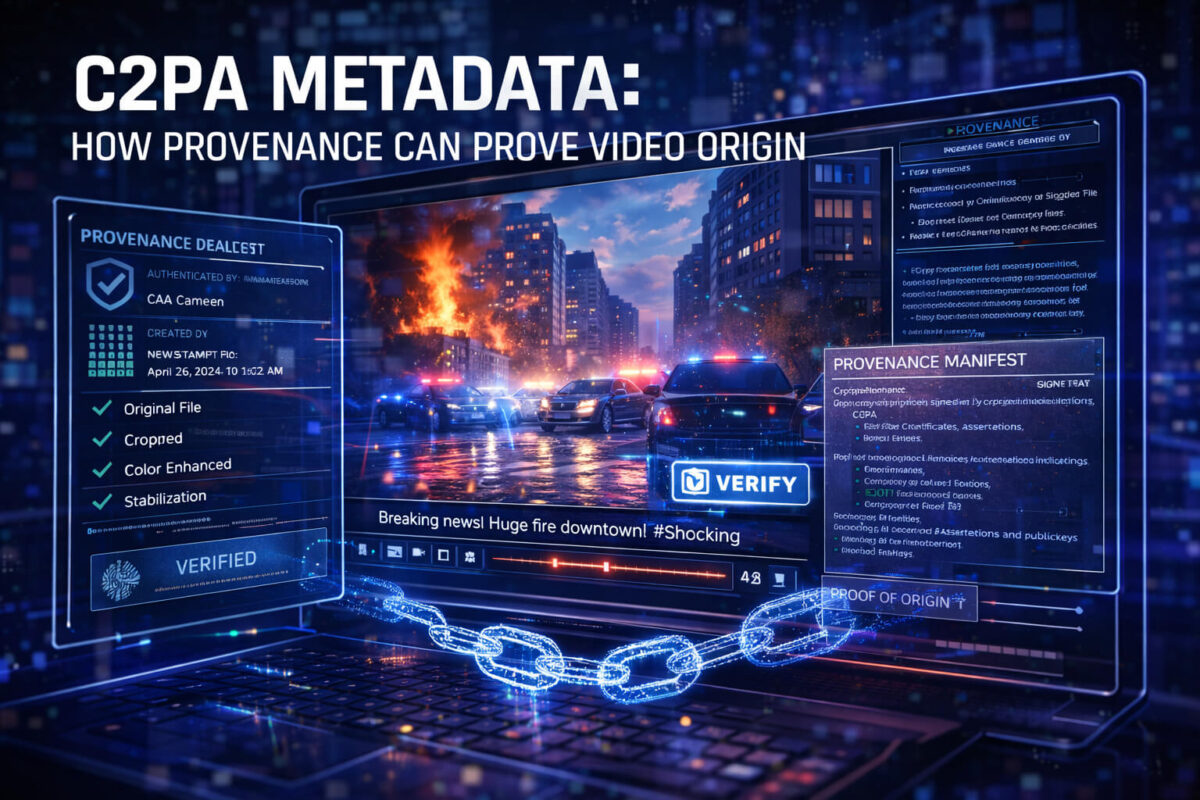
Synthetic media is no longer a niche topic for researchers or filmmakers. It is already part of everyday content. Some synthetic media is harmless or even […]
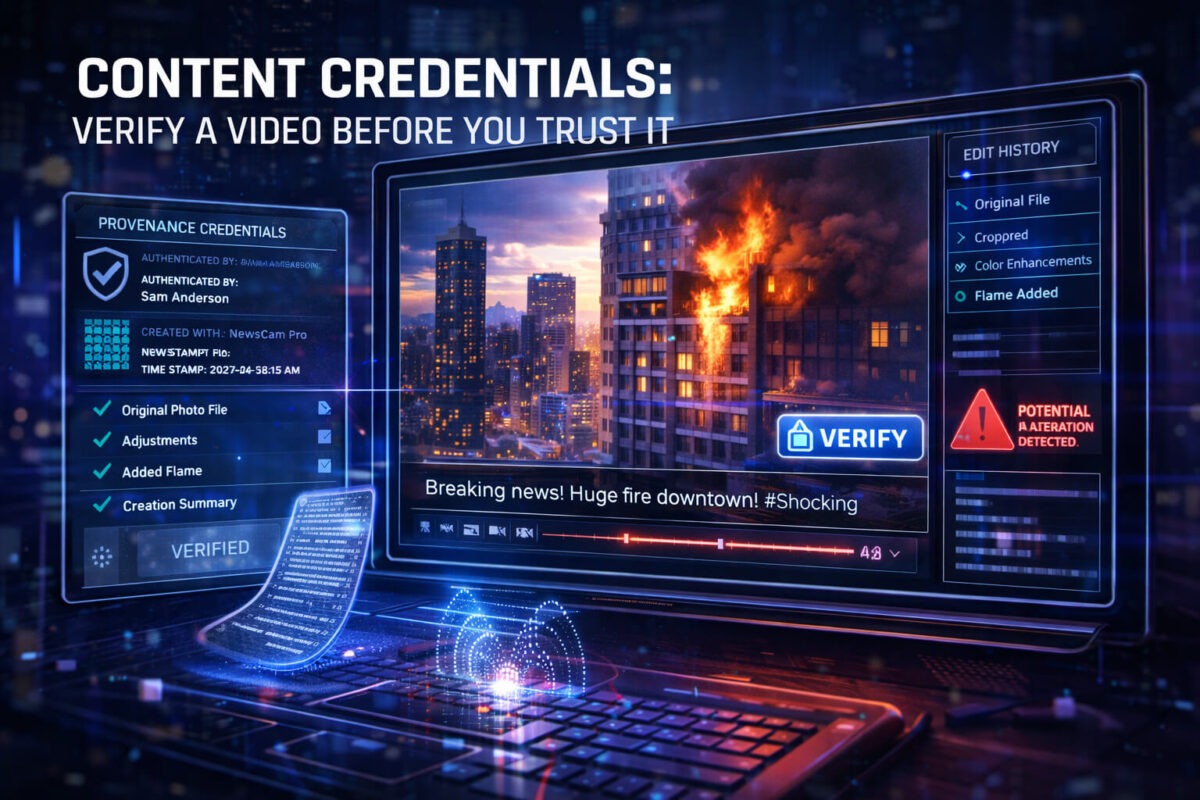
Synthetic video is no longer a niche problem. It shows up in ads, “breaking news” clips, influencer promos, and even private messages. That is why an […]
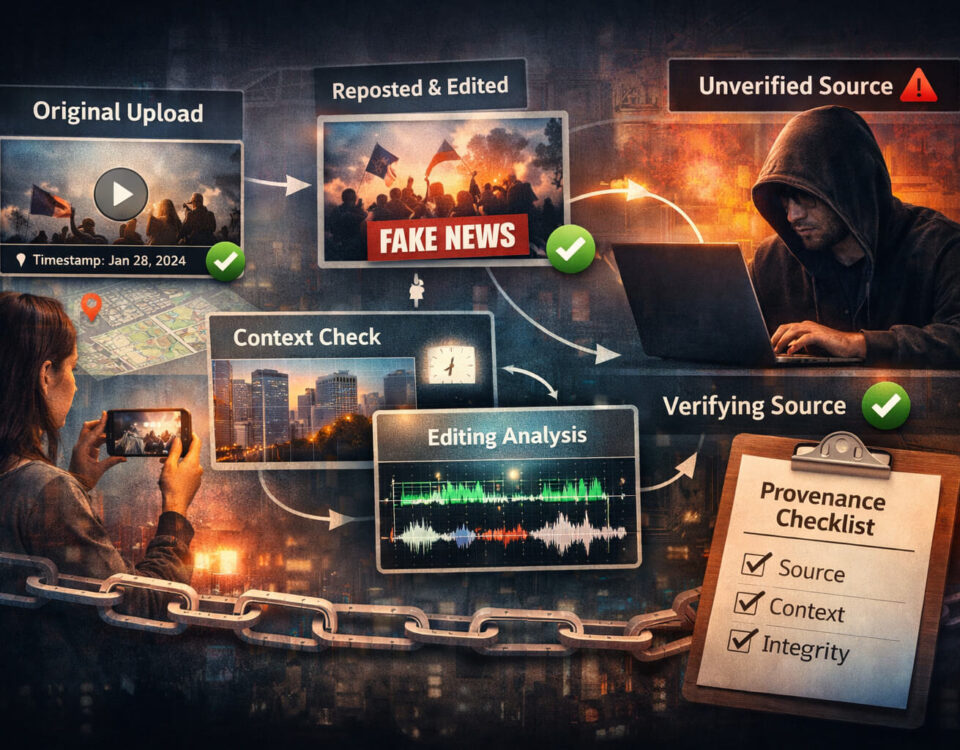
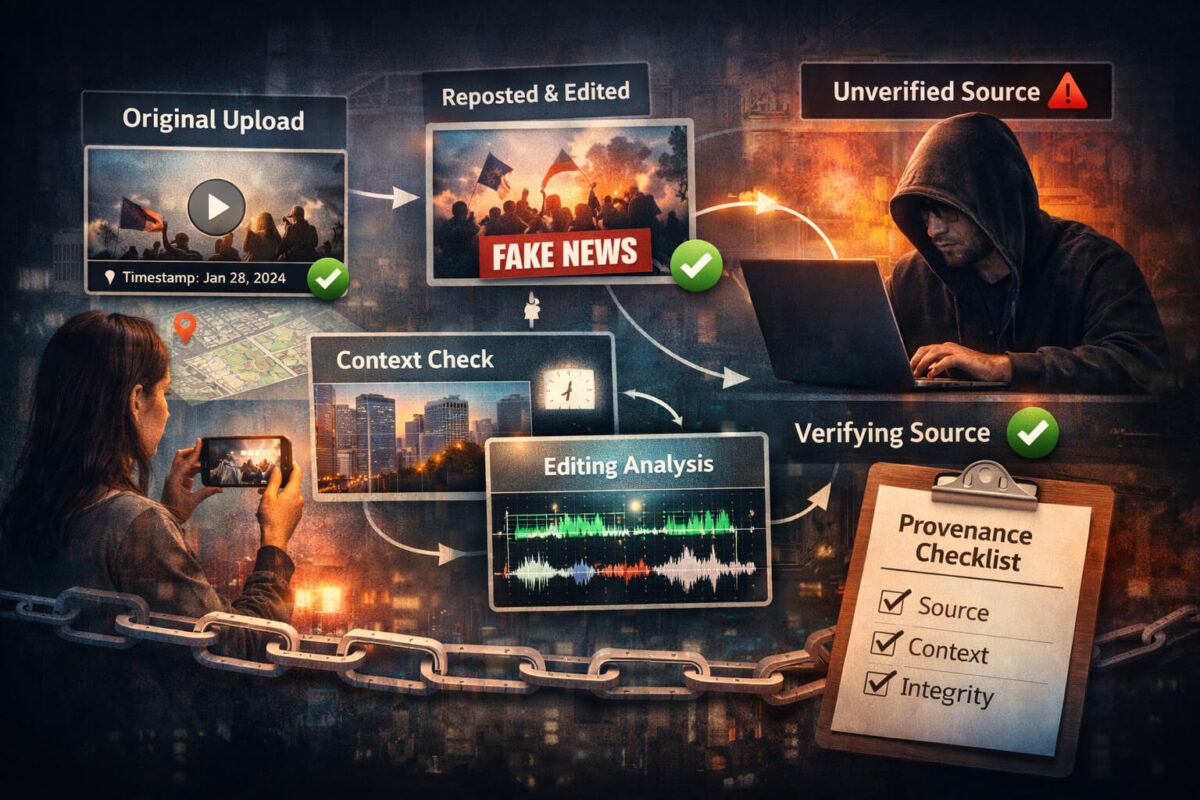
Viral videos travel fast. Sometimes they are real, sometimes they are clipped out of context, and sometimes they are fully synthetic. Either way, the damage happens […]
Fake videos do not just “look real” anymore. They move fast, get reposted everywhere, and often arrive with a confident caption that pushes you to believe […]
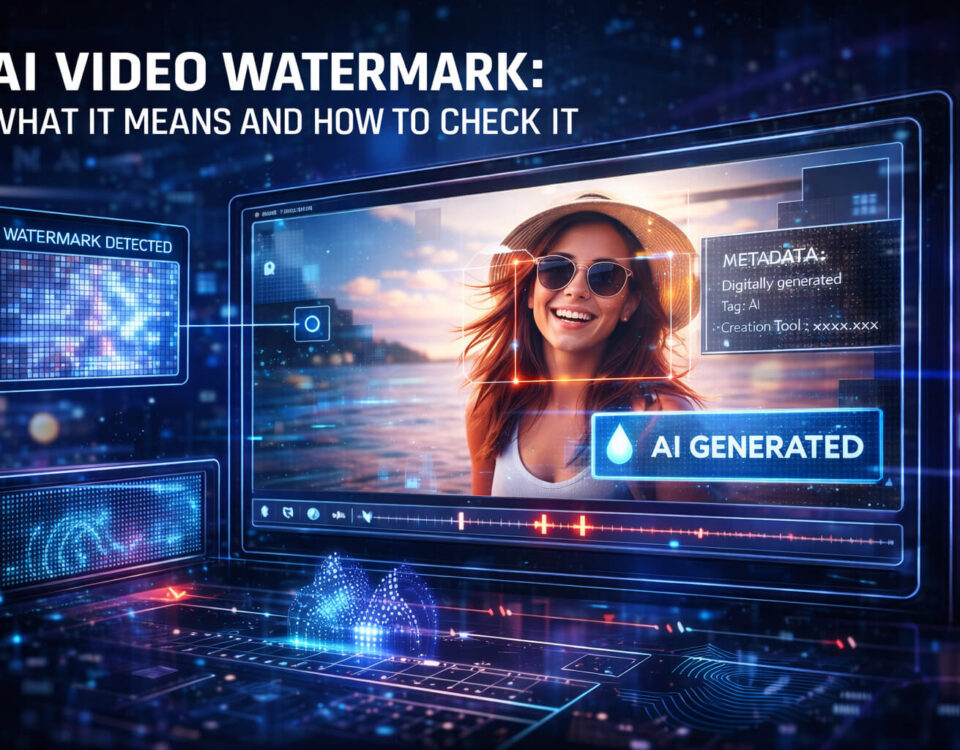
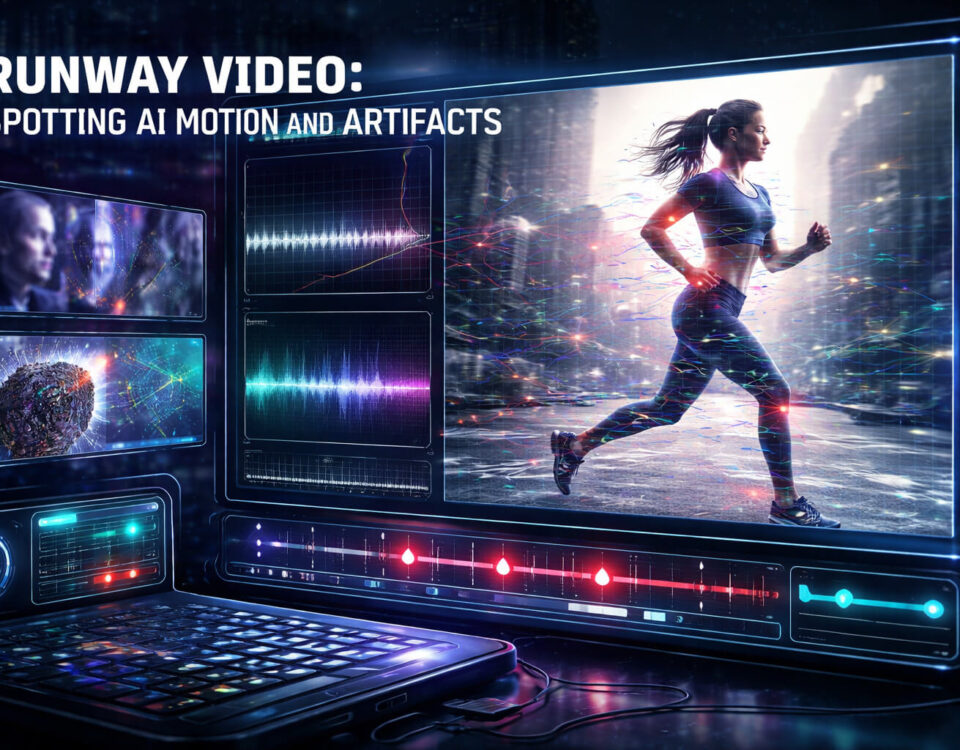
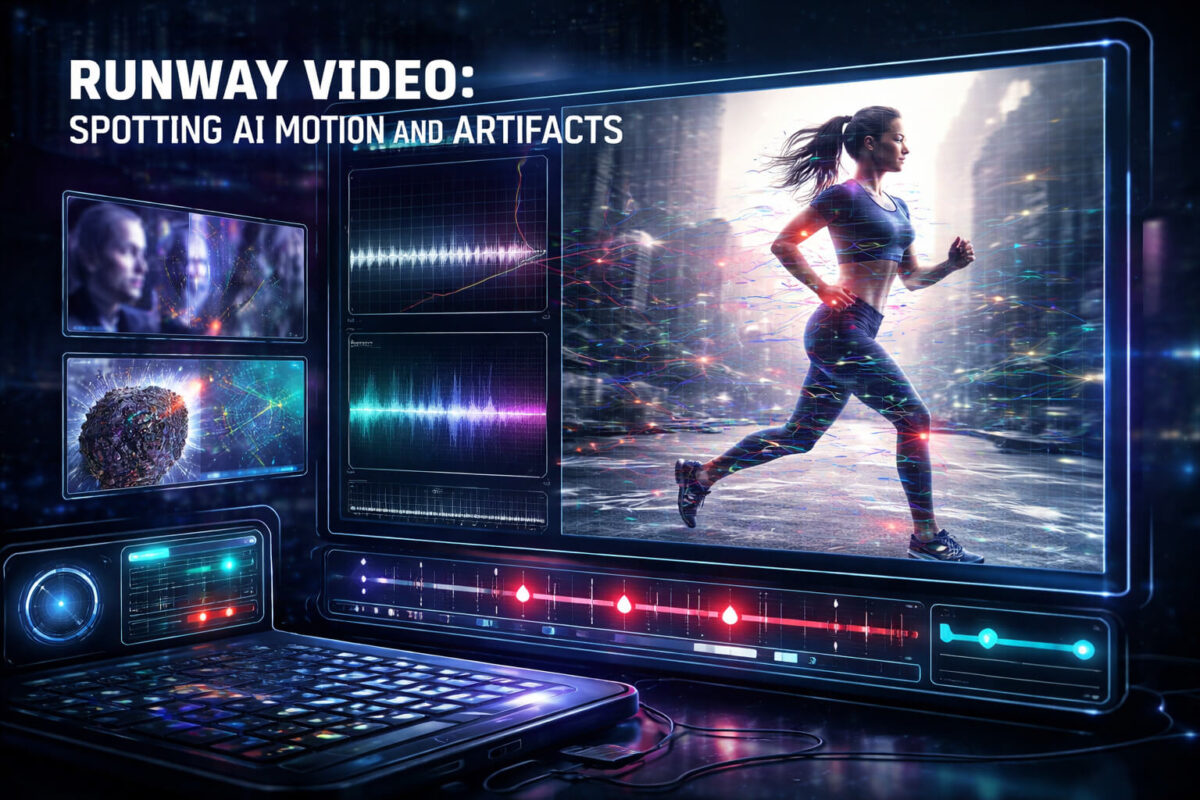
Why Runway Video Looks Real, Until It Doesn’t Runway-style AI tools can generate video from text, animate images, or “edit reality” with background swaps and object […]