
Blog.
Practical guides for checking video sources, examining manipulation signals, and interpreting AI-related evidence without treating any single clue as proof.
Verification guides for the evidence you have
Begin with the closest task, then follow related methods when one check is not enough.




Who Owns AI Generated Content? A Guide to Rights in the US
Who owns AI generated content? In the United States, first separate copyright protection, ownership of protectable human contributions, tool permissions, and rights in material used to create or publish the output. The U.S. Copyright Office says purely AI-generated material is not protected by copyright, while qualifying human expression can be. A tool’s permission to use […]

AI Propaganda: How Synthetic Media Shapes What We Believe
AI propaganda uses AI-generated or AI-assisted messaging to steer how people interpret an issue, an event or a group. The important problem is not merely that a picture, voice or paragraph was generated. It is the relationship between the message, the evidence it appears to offer, and the belief or action it asks the audience […]
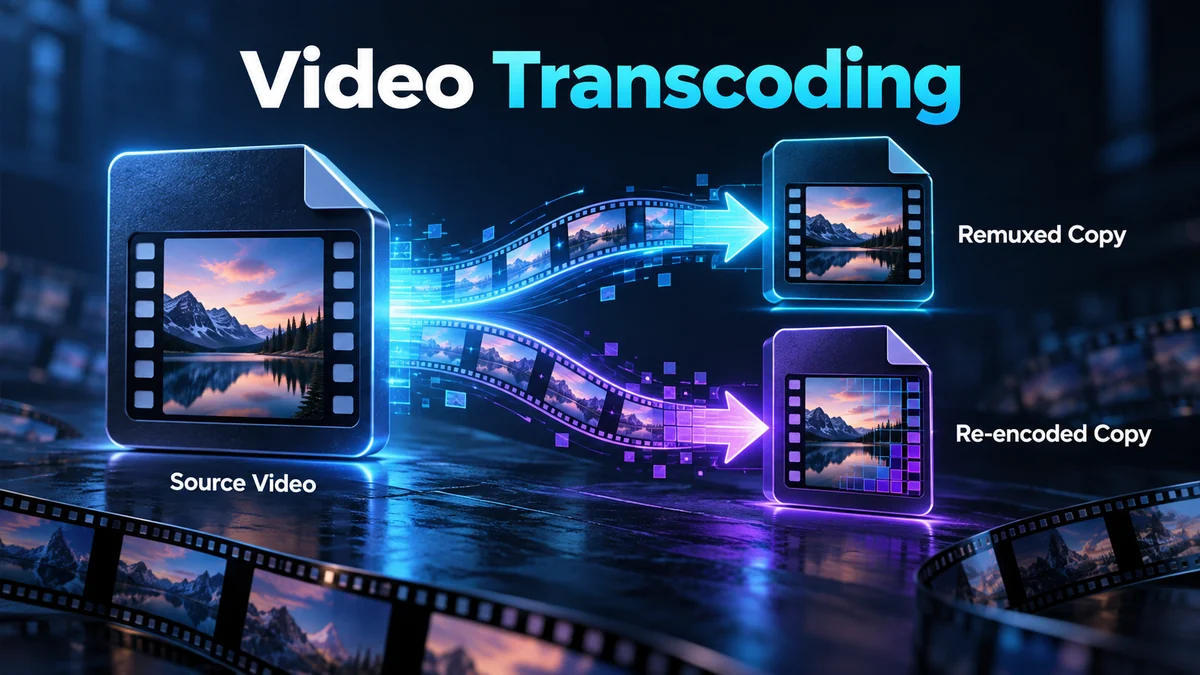
Video Transcoding: What Changes When You Convert a File
Video transcoding decodes an existing media stream and encodes it again, usually to meet a different playback, editing or delivery requirement. It differs from remuxing, which repackages compatible encoded streams without the same decode-and-encode step. Both can produce a different file, so preserve the source and inspect the actual output instead of judging conversion by […]

AI Denoising: Cleaner Images, Lost Detail and What to Check
AI denoising uses a learned model to estimate a cleaner image or video from a noisy input. The model must distinguish unwanted variation from meaningful detail, and that distinction can be uncertain. A smoother result can be easier to view without preserving every texture, small mark or temporal feature needed to interpret the source. This […]

How to Read a Spectrogram Without Misreading the Audio
To read a spectrogram, locate time on the horizontal axis, frequency on the vertical axis, and the scale that maps signal strength to brightness or color. Then describe how a feature changes across those dimensions. A horizontal line, a vertical burst and a rising curve answer different questions about the sound. A spectrogram is a […]
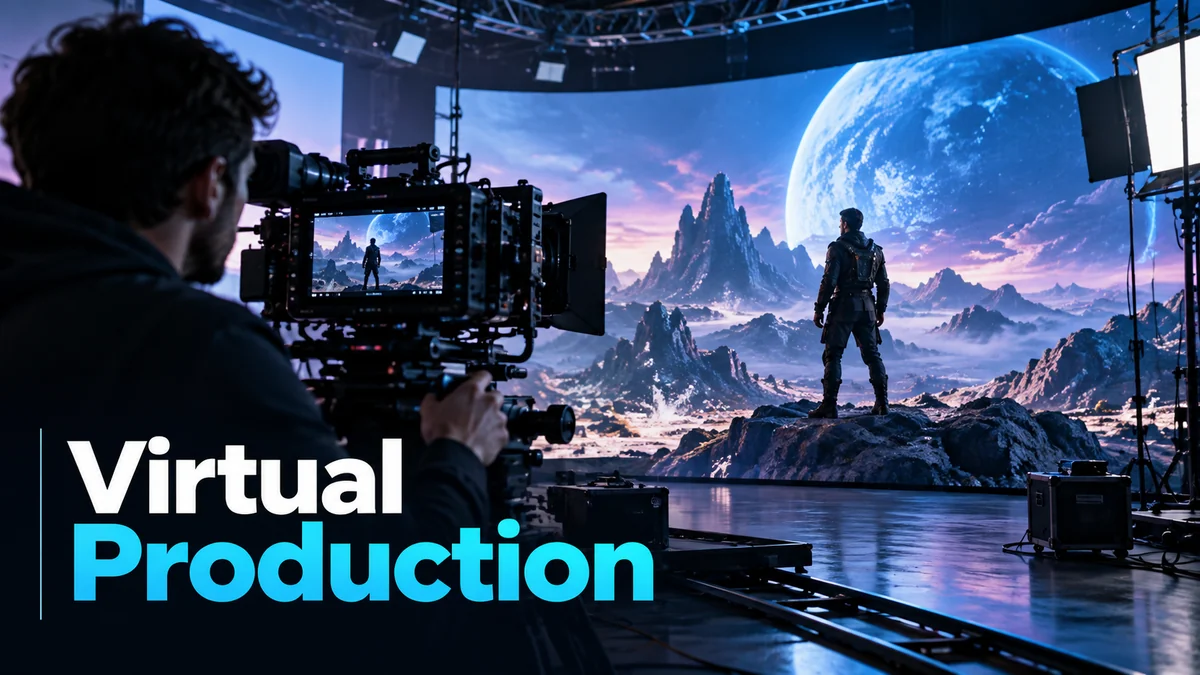
Virtual Production: How Real Cameras Capture Digital Sets
Virtual production combines digital scene-making with filmmaking workflows, often using real-time tools to plan, preview, or capture a shot. In an LED-volume shoot, a real camera records performers and physical objects in front of a displayed digital environment. The recording is physical, while the place represented behind the performer may be designed. “Virtual” therefore does […]