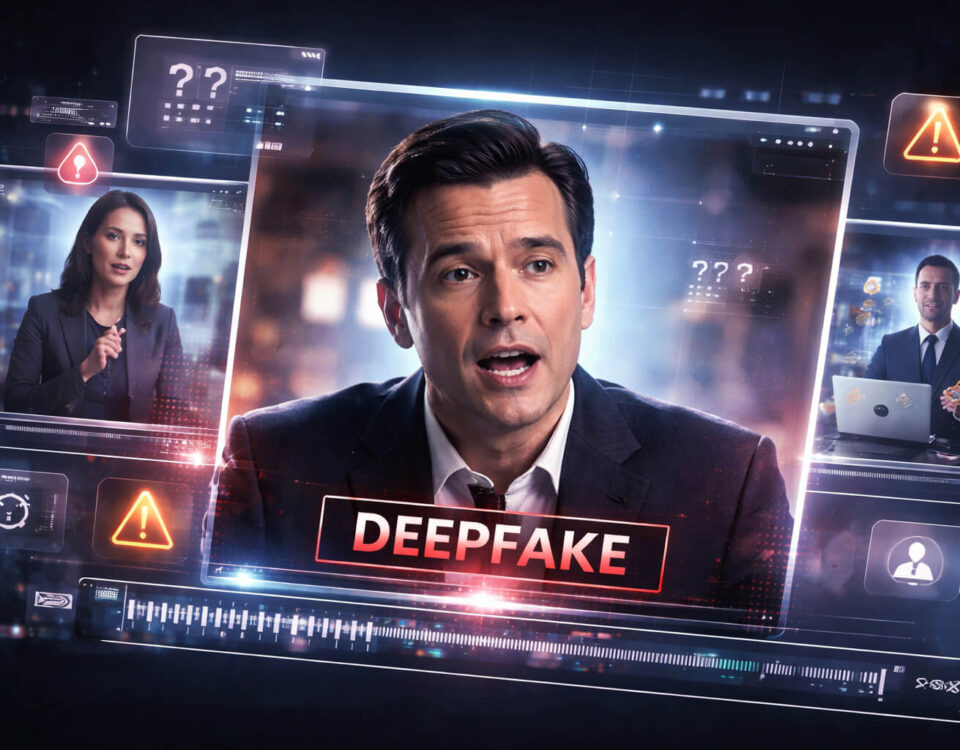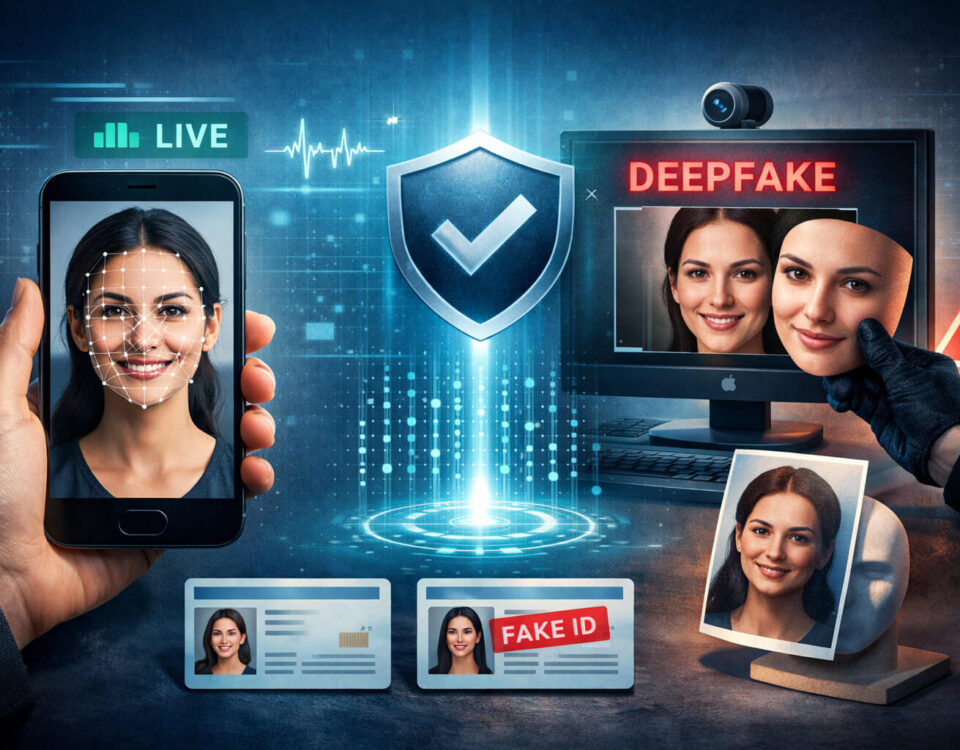
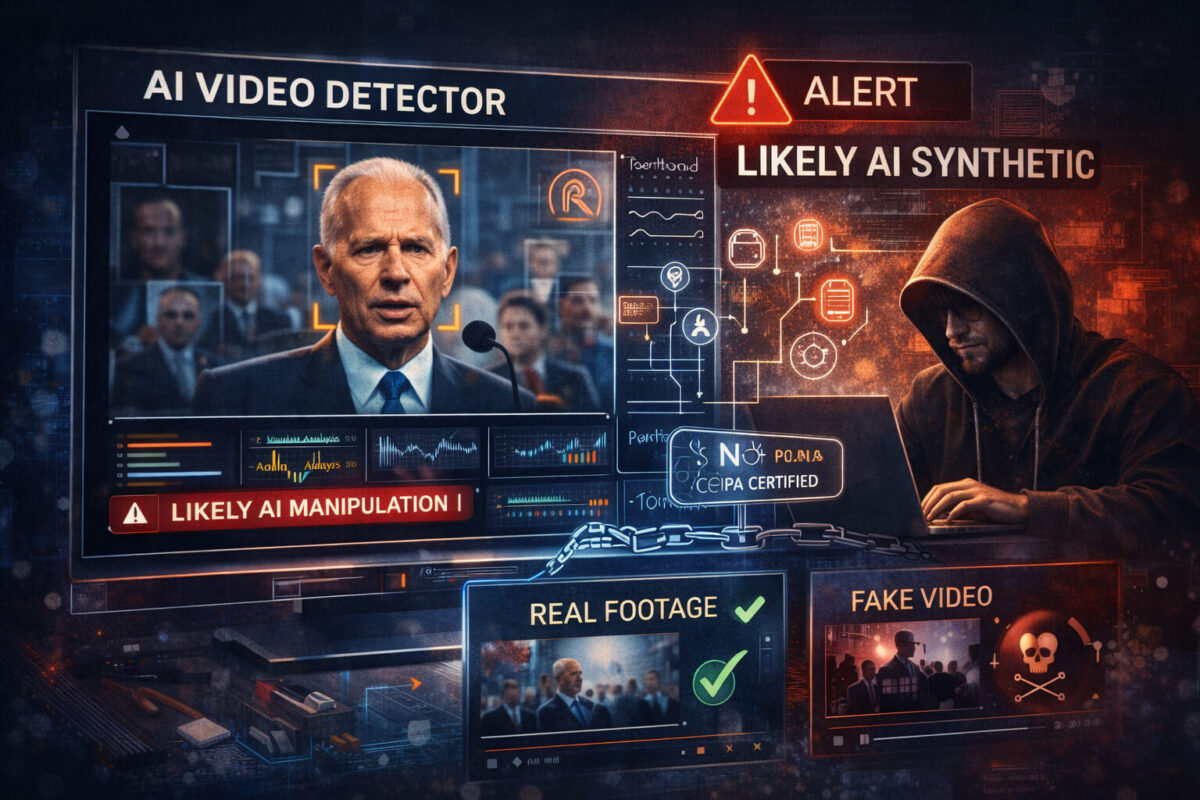
Synthetic video is no longer a niche problem. It shows up in ads, “breaking news” clips, influencer promos, and even private messages. That is why an AI video detector has become a practical tool for everyday verification. But there is a big gap between “this looks suspicious” and “this is definitely fake.” The smartest approach is to treat detection like a signal, not a verdict, and to combine it with a simple verification process you can repeat.
In this guide, you will learn what AI video detector tools actually analyze, how accuracy should be understood, where the limits are, and how to use tools like Detect AI Video without overtrusting them. You will also get a clear workflow you can follow when a clip looks questionable.
The Fast Take
An AI video detector can help you spot likely manipulation faster by analyzing visual patterns, audio irregularities, and sometimes file-level clues. The best results come when you combine the tool output with context checks, source tracing, and basic forensic habits. Used correctly, an AI detector can reduce mistakes. Used alone, it can create false confidence.
Why “AI Video Detector” Matters Now
The main reason detection matters is not because every clip is fake. It is because fake clips spread faster than corrections, and modern tools can generate convincing footage at scale. Scammers can produce dozens of variations of the same claim, and each version can look just “real enough” to pass a quick glance.
An AI video detector helps you answer a more realistic question: “Is there enough evidence that this clip might be synthetic or manipulated to justify deeper checks?” That is the mindset that keeps you accurate and safe.
What an AI Video Detector Actually Checks
Most detectors do not “see the truth.” They look for patterns associated with synthesis, tampering, or unusual processing. Strong tools combine several types of signals.
Visual signals
Visual analysis is usually the first layer. A detector may look for:
- Face and skin inconsistencies, especially under changing light
- Eye behavior, blinking patterns, and gaze alignment
- Mouth movement and speech timing mismatches
- Hands, jewelry, teeth, hair, and edges that “wobble” over time
- Background distortions, repeating textures, or odd depth cues
- Motion continuity issues, such as unnatural acceleration or warped frames
Some of these are classic deepfake detection cues. Others are broader manipulation cues that show up in aggressive editing or heavy compression.
Audio signals
Audio is often overlooked by casual viewers. A detector may look for:
- Speech that is too clean for the environment
- Timing drift between audio and lip movement
- Strange breath patterns or missing mouth noise
- Sudden changes in room tone, noise floor, or microphone quality
- Signs of splicing, overdubbing, or synthetic voice artifacts
This overlaps with voice deepfake analysis, especially when the speaker is a known person and the clip is trying to impersonate them.
Metadata and file-level signals
Some tools check the file itself:
- Container and encoding history
- Recompression patterns
- Editing traces (not always reliable)
- Frame-level anomalies that appear after AI generation or tampering
When provenance standards are present, they can be a stronger signal than visuals. This is where C2PA metadata and content credentials become important, although they are not available in many everyday clips yet.
Accuracy Explained Without Hype
People ask, “How accurate is this detector?” The honest answer is, “It depends on what you mean by accurate.”
Detection vs certainty
A detector typically outputs a probability or confidence score. That score is not the same as proof. It is closer to a risk indicator. A “high likelihood” result means “this clip shares patterns often seen in AI or manipulation,” not “this is definitely synthetic.”
Why “100% accurate” is a red flag
Any tool claiming perfect detection is either overselling or measuring accuracy in a narrow test that does not match real life. Real clips vary wildly: different cameras, lighting, bitrate, editing apps, repost chains, filters, subtitles, and platform processing. Those factors can confuse models and create false positives.
False positives and false negatives
Two mistakes matter:
- False positive: a real clip gets flagged as manipulated
- False negative: a manipulated clip looks “clean” to the model
False positives often happen when video is heavily compressed, stabilized, upscaled, or filtered. False negatives can happen when a fake is produced well, the clip is short, or the artifact signals are destroyed by re-uploading.
This is why you should treat a detector result as a starting point, then verify.
How Modern Detectors Work (In Simple Terms)
Most AI video detector systems use one or more of these approaches:
Pattern recognition models
These models learn what AI-generated content often looks like at a pixel level or motion level. They may detect subtle texture issues or unnatural transitions across frames.
Forensic cue models
Some tools are tuned to specific cues: face warping, lighting inconsistencies, boundary artifacts, or temporal instability. They work best when the clip contains the “right” kind of content, like a clear face speaking to camera.
Multimodal systems
Better systems combine video, audio, and sometimes metadata. This helps because many fakes fail in at least one modality. A clip might look convincing but has unnatural audio. Or the audio is real, but the face is synthetic.
A Practical Workflow to Use an AI Video Detector Correctly
This workflow is designed to be repeatable. It avoids overconfidence and helps you document what you did.
Start with context, not pixels
Before you run any tool, ask:
- Who posted it first, and where did it come from?
- What is the exact claim the clip is trying to prove?
- Does the caption match what is visible in the footage?
- Is the clip cropped, mirrored, or missing beginning and end context?
If the clip is a viral claim, use a habit similar to news verification: pause, define the claim, and trace the source.
Run the detector and interpret the result carefully
Now run a scan using a trusted tool like Detect AI Video. Focus on what the output actually says:
- Is it giving a confidence score or just a label?
- Does it highlight regions or frames that triggered the signal?
- Does it separate “AI-generated” from “edited” or “unknown”?
If you get a high-risk result, do not publish “this is fake” immediately. Instead, treat it as “this needs confirmation.”
Cross-check with a second method
If the claim is important, use at least one more check:
- Search for the earliest upload of the same footage
- Look for the full-length original
- Check if credible outlets covered the event (if it is news)
- Compare with other angles or other sources
- If available, check provenance signals like content credentials
Two independent signals reduce the chance you are being misled by compression artifacts or platform processing.
Save evidence and document what you found
When you need to report a scam or protect your audience, documentation matters:
- Save the URL and timestamp
- Save the file if legally and ethically appropriate
- Note the detector output and what you observed
- Record the steps you followed
This is especially useful if you later update your conclusion.
Real Examples of What Detectors Catch
Here are patterns that frequently trigger detector signals in real-world clips.
Lip-sync and micro-movement inconsistencies
Even strong fakes can struggle with small details: tooth edges, tongue movement, subtle jaw shifts, and mouth shape transitions. Many deepfakes “look good” until you watch at normal speed a few times and focus on the mouth during fast words.
Temporal glitches in motion
AI-generated motion can look smooth in a single frame but inconsistent across time:
- Fingers change shape across frames
- Earrings jump positions
- Hairline edges flicker
- Background lines subtly “crawl”
This matters for tools like Runway video or Sora video style outputs, where motion coherence is a major clue.
Audio overlays and splicing
Scam clips often use real footage with added voiceover. The voice may be synthetic or simply edited in. Detectors may pick up:
- Room tone mismatches
- Abrupt changes in frequency profile
- Overly clean speech compared to the environment
This overlaps with voice deepfake tactics and is common in influencer fraud.
Viral “headline clips” that do not match the story
Many hoaxes are not fully synthetic. They are real footage paired with false context. A detector might not flag them at all, because the video is real. That is why context checks remain essential, and why a fake video problem can be about editing and framing rather than AI generation.
What Makes a Detector “Good”
If you are comparing tools, look for these qualities:
Clear confidence and limitations
A strong detector explains uncertainty. It does not just say “fake” with no context.
Works on short clips responsibly
Short clips are hard. A good tool will be cautious, not confident, when it lacks enough data.
Privacy and transparency
Know what happens to uploads. For sensitive footage, you want clear privacy handling and minimal retention.
Repeatability and consistency
A good tool should produce similar results on repeated scans of the same content, and it should explain why results might change if the clip is re-encoded or trimmed.
Limits You Should Know Before Trusting Any Tool
It is normal to feel frustrated when a tool does not give a clean answer. But the limits are predictable and manageable if you understand them.
Compression destroys evidence
Re-uploads on social platforms add compression, change color, and remove metadata. A very fake clip can become “hard to detect,” and a real clip can pick up artifacts that look synthetic.
Editing apps can create AI-like artifacts
Stabilization, beauty filters, aggressive sharpening, background blur, and frame interpolation can accidentally mimic the patterns detectors associate with AI. That is a common reason real videos get flagged.
Some fakes are genuinely strong
A good fake on a clean source file can be hard for detection. That is why the best approach is not “trust one tool,” but “combine tool + context + provenance when available.”
Provenance Is Stronger Than Guessing
When provenance exists, it is often the best evidence you can get.
What video provenance means in practice
video provenance is about answering: where did this file come from, and how did it change? The strongest systems do not rely on human judgment. They rely on signed records.
Why provenance beats visual analysis
Visual cues can be fooled. Provenance signals, when properly implemented, are harder to fake because they involve cryptographic signing and a chain of edits.
Where to look for it
If the platform supports it, you may see provenance information through content credentials or related standards like C2PA metadata. You will not see it everywhere yet, but it is worth checking when the stakes are high.
A Safety Checklist Before You Share
Use this quick checklist when the clip is risky:
- The claim is emotional, urgent, or demands immediate action
- The account posting it is new or has strange behavior
- The video is cropped, low-res, or missing context
- The audio sounds “too clean” or oddly robotic
- A detector flags it as likely manipulated
- You cannot find the original source
If two or more items are true, slow down and verify before sharing. This simple habit prevents most mistakes.
Closing Thoughts
An AI video detector is most valuable when it helps you slow down and make better decisions under pressure. Use it to flag risk, not to win arguments. When you combine tool signals with context checks and provenance when available, you will catch more manipulation and avoid the bigger mistake: confidently sharing the wrong conclusion.
FAQ
Can an AI video detector prove a clip is fake?
No. It can provide a strong signal, but proof requires context, sourcing, and sometimes provenance evidence. Treat detector results as “suspicious” or “likely” unless you can confirm the origin.
Why do some real videos get flagged?
Heavy compression, filters, stabilization, or upscaling can introduce patterns that resemble AI artifacts. Some real videos also contain lighting and motion conditions that confuse detectors.
Can detectors catch all deepfakes?
No. Advanced fakes and re-uploaded clips can evade detection. That is why deepfake detection should include both tool signals and verification habits.
What should I do if a detector says “likely AI”?
Do not jump to public accusations. Cross-check the original source, look for full context, and confirm with at least one additional method. Use the result as a reason to verify, not a final conclusion.
Do detectors work on short clips?
Sometimes, but short clips are harder. The shorter the clip and the lower the quality, the less confident you should be in any output.
What is the best way to reduce mistakes?
Use a workflow: check context first, run a detector like Detect AI Video, cross-check with another method, and document what you found.